Tai Chi Standing Meditation (Zhan Zhuang) requirements: How long should beginners hold the stance?
Tai Chi standing meditation, known as Zhan Zhuang, is a foundational practice that builds internal strength, alignment, and mental stillness. A common question for beginners is: how long should you hold the stance? The answer depends on your current condition, goals, and how you progress week by week.
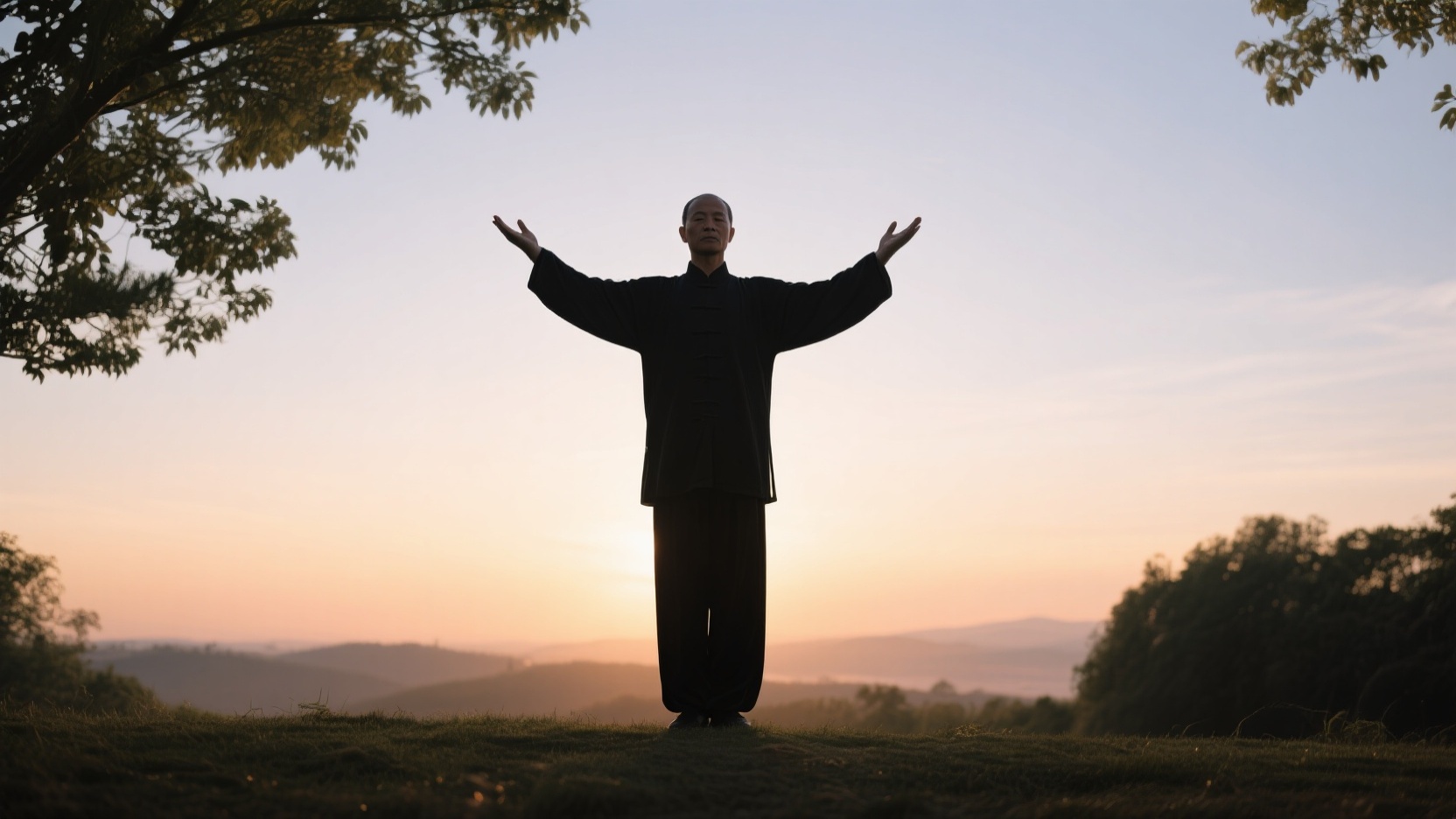
What is Zhan Zhuang in Tai Chi?
Zhan Zhuang literally means “standing like a post.” Instead of moving through forms, you hold specific standing postures for a set period of time. In Tai Chi, this usually looks like the Wuji stance (neutral standing) or a posture similar to the beginning of the form, with slightly bent knees and relaxed shoulders.
The purpose is not brute endurance, but cultivating:
- Correct body alignment and structure
- Relaxation under gentle load
- Deep, natural breathing
- Improved balance and root
- Quiet, focused awareness
How long should complete beginners hold the stance?
For most healthy beginners, a safe and effective starting point is:
- Wuji (neutral standing): 3–5 minutes per session
- Basic Zhan Zhuang posture: 1–3 minutes per set, 2–3 sets
This may sound short, but when done with correct alignment and attention, it is surprisingly challenging. The priority is quality of structure and relaxation, not chasing long times on day one.
A progressive timetable for the first 12 weeks
Use the following as a flexible guideline. Always listen to your body and adjust as needed.
Weeks 1–2: Learning alignment and relaxation
- Wuji standing: 3–5 minutes
- Basic posture: 1 minute, repeat 2–3 times with short rests
- Focus: posture, relaxing shoulders, soft knees, easy breathing
Weeks 3–4: Building a stable foundation
- Wuji standing: 5–7 minutes
- Basic posture: 2 minutes, repeat 2–3 times
- Focus: maintain relaxation as mild fatigue appears
Weeks 5–8: Developing endurance and internal awareness
- Wuji standing: 7–10 minutes
- Basic posture: 3–5 minutes, 2–3 sets
- Focus: observe subtle tension, release it with each exhale
Weeks 9–12: Consolidating practice
- Wuji standing: 10–15 minutes
- Basic posture: 5–8 minutes, 2 sets
- Optional: one longer set up to 10 minutes if you feel strong and relaxed
Many traditional teachers recommend eventually working up to 20–30 minutes of standing, but there is no need to rush. Consistency is more important than dramatic increases.
How often should beginners practice Zhan Zhuang?
To feel real benefits, frequency matters more than single-session duration. For beginners:
- Minimum: 3 sessions per week
- Better: 5 short sessions per week
- Ideal for progress: Daily standing, even if only 10–15 minutes total
You can divide practice into shorter segments. For example, 5 minutes Wuji in the morning and 5 minutes basic posture in the evening is more sustainable than forcing 20 minutes at once.
Signs you are standing too long
Holding the stance beyond your current capacity can build bad habits and even cause strain. Reduce the duration if you notice:
- Sharp or pinching pain in knees, ankles, hips, or lower back
- Collapsing posture: rounded lower back, knees caving inward, chest collapsing
- Holding the breath or breathing becoming tight and shallow
- Shaking that feels out of control, accompanied by joint discomfort
- Neck or shoulder pain from “toughing it out” instead of relaxing
Mild muscle fatigue and gentle trembling are normal, especially in the thighs. But joint pain, compression, or breath-holding are red flags. End the set, walk around, gently shake out the legs, and resume later with a slightly shorter time.
Signs you can safely extend your standing time
You can gradually increase the duration when:
- Your breathing stays slow, soft, and comfortable
- You can maintain basic alignment without forcing it
- Fatigue appears gradually, not suddenly
- You finish the set feeling warm, calm, and slightly energized, not exhausted
A reasonable rule: extend a set by 30–60 seconds once you can complete your current time with good posture and relaxed breathing on at least three separate sessions.
Suggested stance heights for beginners
How deep you bend your knees (stance height) is as important as how long you stand:
- High stance (recommended for most beginners): Knees slightly bent, still clearly above the toes. This protects the joints and lets you focus on alignment.
- Medium stance: Knees more bent, thighs at about a 135-degree angle. Use this once your legs have some conditioning.
- Low stance: Thighs approaching parallel to the ground. This is advanced; do not attempt long holds here early on.
If you feel knee pain, immediately check that your knees track in line with your toes, not collapsing inward, and slightly reduce the bend.
Breathing and mental focus during standing meditation
Zhan Zhuang is both physical and meditative. During practice:
- Breathe through the nose, with the belly gently expanding and contracting
- Let the breath be natural; avoid forcing deep inhales
- Rest attention in the lower abdomen (dantian) or in the soles of the feet
- Simply notice thoughts without following them
If your mind wanders, gently return to the feeling of the breath and the contact of your feet with the ground. Over time, the stillness of the body supports stillness of the mind.
Common beginner mistakes to avoid
- Chasing long times too early: This leads to tension, poor alignment, and injury risk.
- Locking the knees: Keep a soft bend so energy and blood can flow.
- Raising the shoulders: Let them hang naturally; imagine the elbows gently heavy.
- Stiff chest and upper back: Allow the chest to relax and the back to gently broaden.
- Forcing “no pain, no gain”: Zhan Zhuang is about intelligent effort and relaxation, not suffering.
Modifications for limited mobility or health issues
If you have knee, back, or balance problems, or if you are older, you can still benefit from standing meditation with some adjustments:
- Use a higher stance with minimal knee bend
- Stand near a wall or chair for balance support
- Shorten sets to 30–60 seconds, repeated more times
- Practice seated versions of alignment and breathing when needed
Always consult your healthcare provider before starting any new exercise if you have existing health conditions.
How Zhan Zhuang supports your Tai Chi practice
Regular standing meditation improves your Tai Chi in several ways:
- Stronger legs and more stable root
- Better posture and spinal alignment through the form
- Increased body awareness, making movement smoother and more connected
- Calmer mind, making it easier to learn and remember sequences
Even 10 minutes of standing before or after your form practice can noticeably deepen your experience over a few months.
Putting it all together: a simple beginner routine
Here is a sample 15–20 minute session for beginners:
- Warm up: 3–5 minutes of gentle joint rotations (neck, shoulders, hips, knees, ankles).
- Wuji standing: 3–5 minutes, focusing on posture and breathing.
- Basic Zhan Zhuang posture: 1–3 minutes, rest, repeat 1–2 times.
- Cool down: slow walking, shaking out the limbs, a few easy stretches.
As you grow stronger and more relaxed, gradually increase the holding times within this basic structure.
Conclusion: Start short, stand often, and stay relaxed
The best Zhan Zhuang duration for beginners is one that you can practice consistently with good alignment and a calm mind. Start with short, manageable holds, focus on relaxation and posture, and increase your standing time slowly. Over months and years, this quiet practice can transform your Tai Chi, your health, and your inner stability.
If you are ready to begin, choose a simple standing posture today, set a gentle timer for just a few minutes, and experience for yourself how stillness can become one of the most powerful parts of your Tai Chi journey.