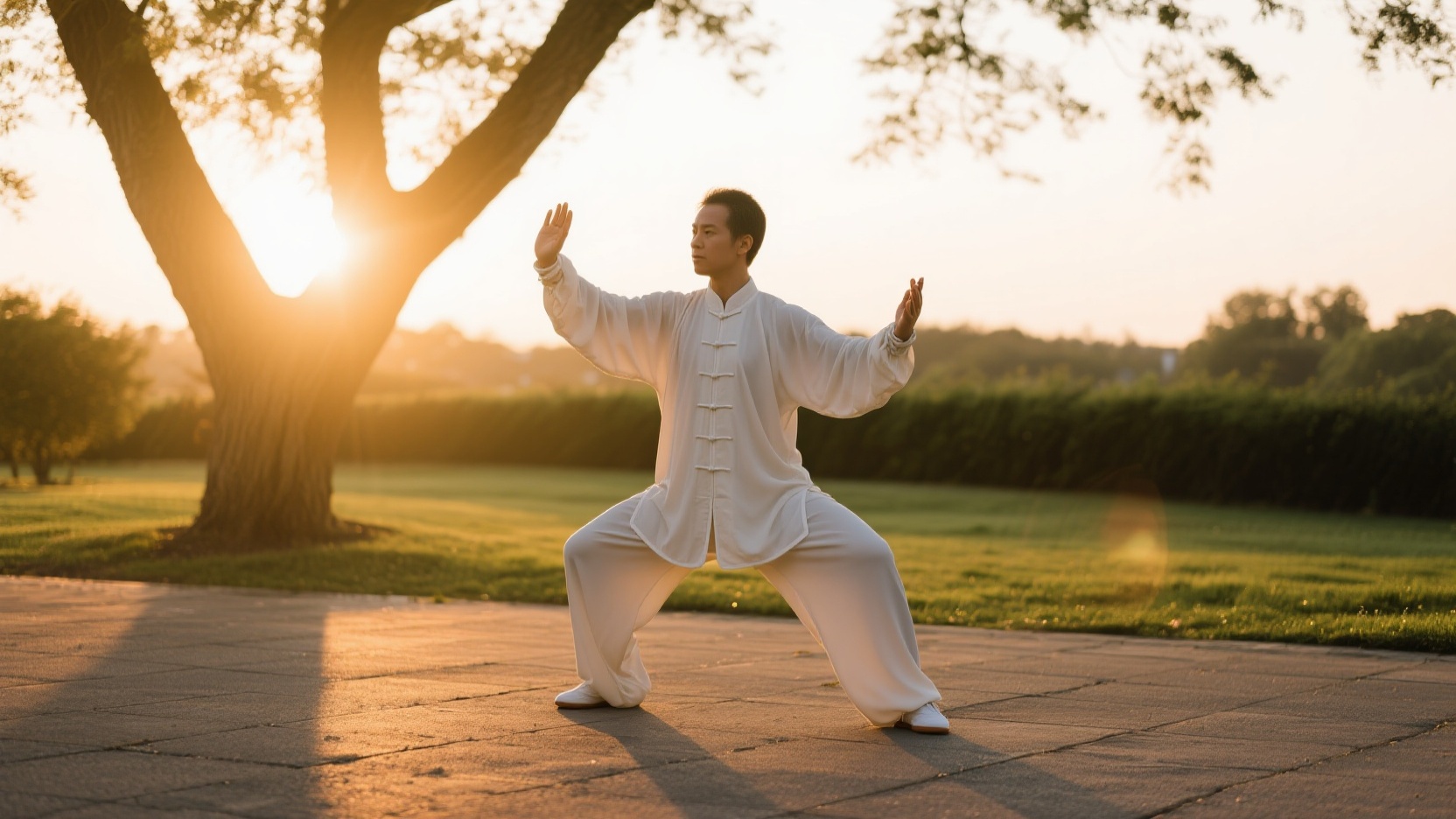
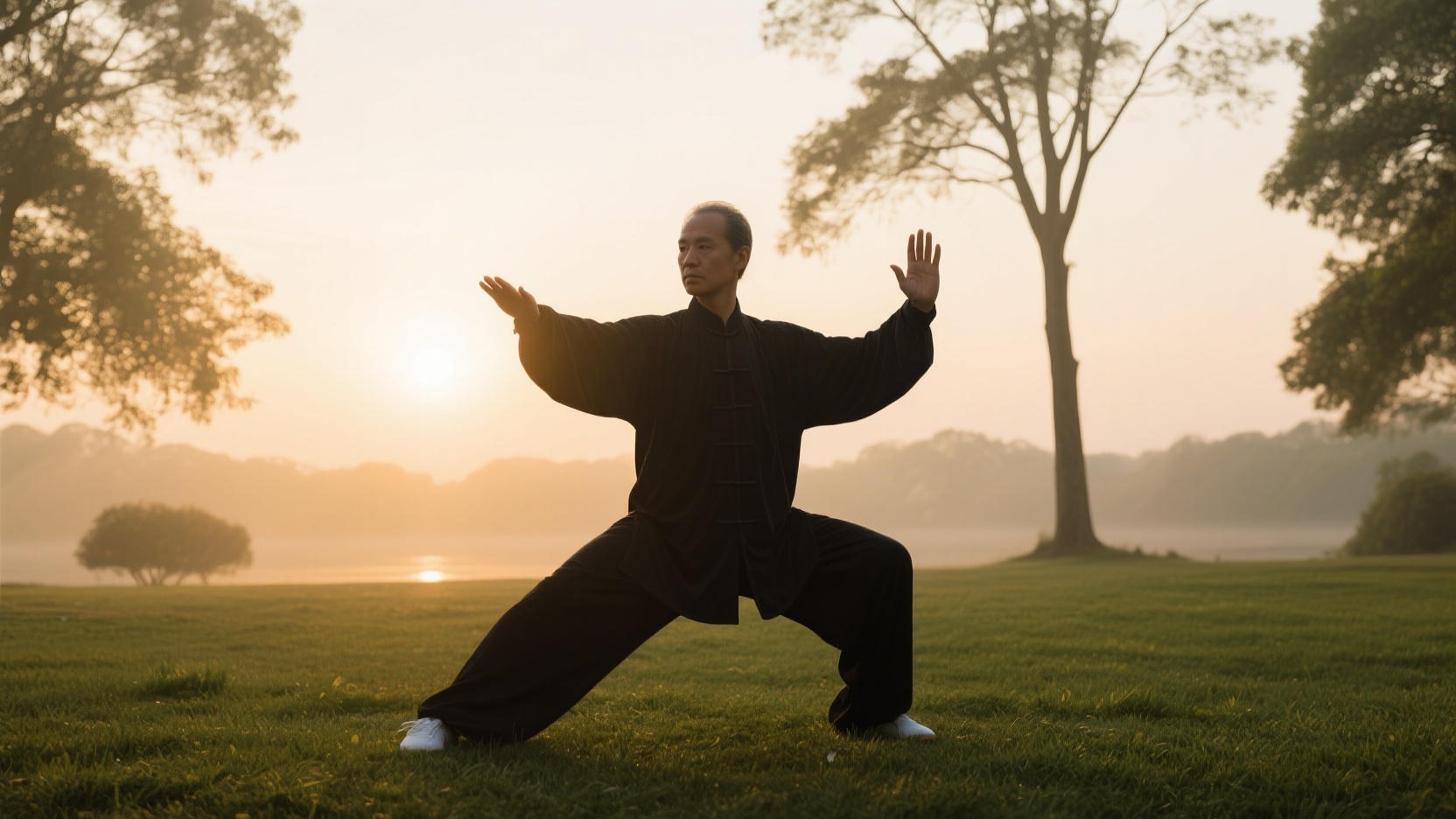
Which Tai Chi movements are most effective for aiding recovery from neck and shoulder pain?
Introduction
Neck and shoulder pain are common in modern life, often caused by long hours at a computer, stress, and poor posture. Tai Chi, a gentle mind-body practice, offers slow, controlled movements that can help reduce muscle tension, improve alignment, and support long-term recovery. This article explores which Tai Chi movements are most effective for easing neck and shoulder discomfort and how to practice them safely.
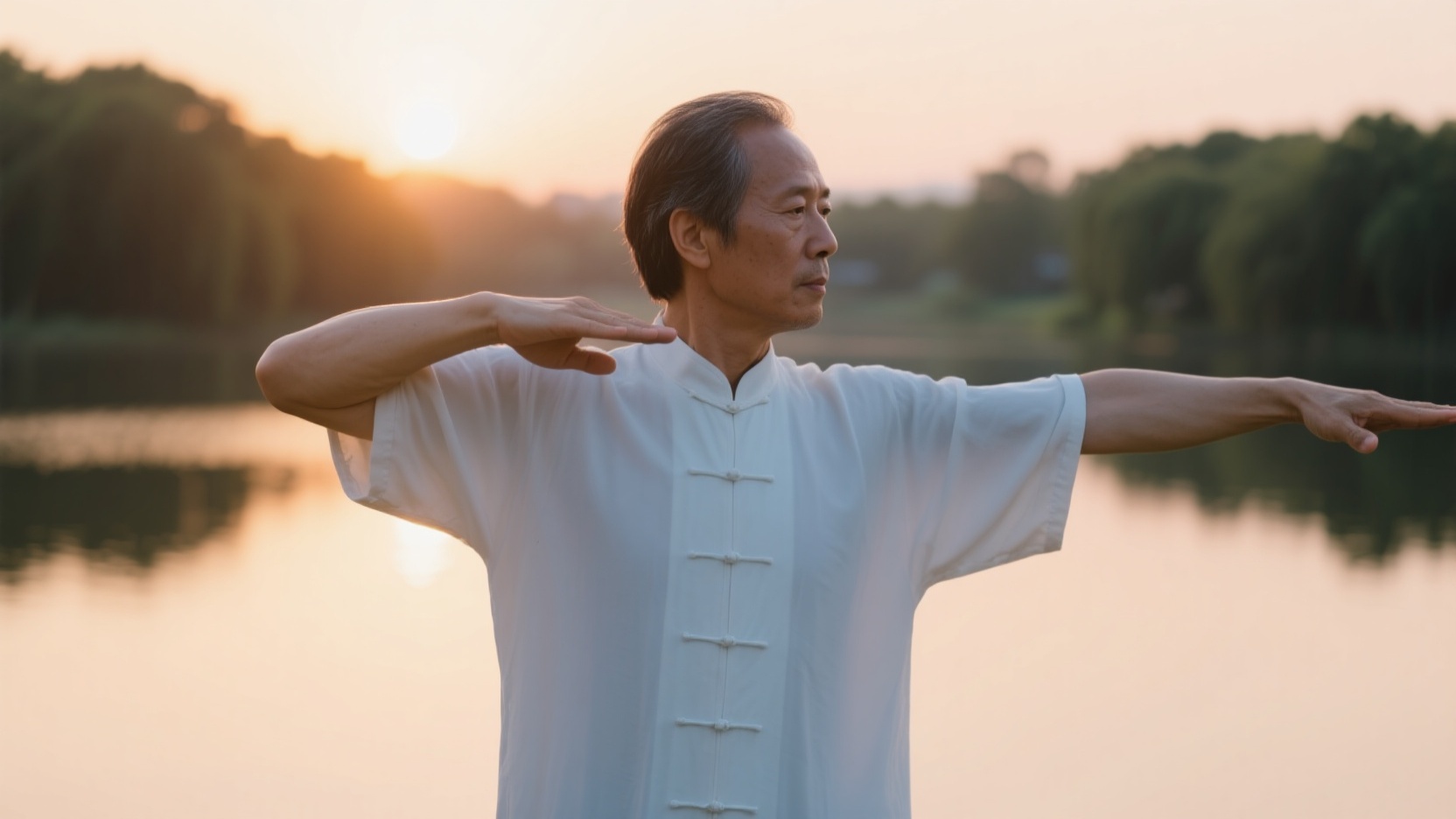
Why Tai Chi Helps Neck and Shoulder Pain
Tai Chi works through a combination of alignment, relaxation, and mindful movement. Instead of forcing stretches, you use gentle, repetitive motions that improve blood flow, reduce stiffness, and retrain postural habits. Over time, this helps relieve pressure on the cervical spine and shoulder joints.
Key Benefits for the Neck and Shoulders
- Improved posture: Tai Chi encourages a lengthened spine and relaxed shoulders.
- Reduced muscle tension: Slow, circular motions release tightness in the neck and upper back.
- Better joint mobility: The shoulders move through a comfortable range without strain.
- Stress reduction: Calm, rhythmic breathing lowers stress-related muscle guarding.
Most Effective Tai Chi Movements for Neck and Shoulder Pain
The following Tai Chi-inspired movements are widely used in rehabilitation and beginner-friendly practice. Perform them slowly, within a pain-free range. If any movement worsens your symptoms, stop and consult a healthcare professional.
1. Opening the Chest and Relaxing the Shoulders
This movement gently mobilizes the shoulders and upper back while encouraging an open, upright posture.
- Stand with feet shoulder-width apart, knees slightly bent, arms relaxed by your sides.
- Inhale as you slowly raise both arms forward to shoulder height, palms facing down.
- Gently open your arms out to the sides as if spreading your wings, allowing the chest to open.
- Exhale as you let the arms float back down, allowing the shoulders to soften and drop.
- Repeat for 8–12 slow, smooth breaths.
Focus on keeping the neck long, chin slightly tucked, and avoiding any shrugging of the shoulders.
2. Cloud Hands for Upper-Body Relaxation
Cloud Hands is a classic Tai Chi movement that creates fluid rotation through the torso and shoulders.
- Stand with feet a little wider than hips, knees soft.
- Shift your weight gently to the right leg as your right hand floats in front of your chest, palm facing inward.
- Your left hand lowers near the hip, palm facing the ground.
- As you slowly shift weight to the left, your torso turns slightly left and the hands change levels: the left hand rises, the right hand descends.
- Arms move as if tracing clouds, relaxed and rounded, with the shoulders dropping away from the ears.
- Continue for 1–3 minutes, breathing naturally.
Move with ease, letting the motion originate from the waist rather than forcing the shoulders.
3. Neck-Soothing Head Turns (Tai Chi Alignment)
While not a traditional form posture, these alignment-based head turns use Tai Chi principles to release neck tension.
- Stand tall or sit upright with feet flat on the floor, spine lengthened.
- Imagine a string gently lifting the crown of your head.
- Inhale, then as you exhale, slowly turn your head to the right within a comfortable range.
- Pause briefly, feeling a gentle stretch, not pain.
- Inhale back to center, then exhale and turn to the left.
- Repeat 6–10 times each side.
Keep the movement smooth and avoid tilting or jutting the chin forward. The eyes can softly follow the direction of the head.
4. Shoulder Circles with Tai Chi Breathing
Shoulder circles are simple but very effective when combined with slow breathing and relaxed awareness.
- Stand or sit comfortably, arms hanging by your sides.
- As you inhale, slowly roll the shoulders forward and up toward the ears without force.
- As you exhale, roll the shoulders back and down, letting them fully relax.
- Make 8–10 slow circles, then reverse the direction.
Imagine the shoulders melting away from the ears with each exhale.
5. Raising and Lowering the Arms (Lifting the Qi)
This common Tai Chi/Qigong movement gently mobilizes the shoulders and encourages relaxation through the entire upper body.
- Stand with feet shoulder-width apart, knees soft, arms resting at your sides.
- Inhale as you float your arms forward and up to shoulder height, palms facing up or slightly inward.
- Pause briefly, feeling a gentle expansion across the chest.
- Exhale as your arms drift down to your sides, palms facing down.
- Repeat for 10–15 slow breaths.
Keep the elbows and wrists relaxed, as if the arms are being lifted and lowered by a gentle current of air.
Practice Tips for Safety and Results
- Start small: Begin with 5–10 minutes per day and build up gradually.
- Stay within comfort: Movements should feel relieving, not painful or forced.
- Prioritize posture: Keep the spine tall, shoulders relaxed, and chin slightly tucked.
- Breathe naturally: Avoid holding your breath; let breathing be slow and quiet.
- Be consistent: Daily practice over weeks offers better results than occasional long sessions.
When to Seek Professional Help
If your neck or shoulder pain is severe, persists for more than a few weeks, or is accompanied by symptoms such as numbness, weakness, or radiating pain down the arm, consult a healthcare professional before starting or continuing any exercise program, including Tai Chi.
For many people, integrating these gentle Tai Chi movements into a daily routine can significantly reduce neck and shoulder tension, improve posture, and support overall well-being.
Next Steps
To get the most benefit, consider learning a short beginner-friendly Tai Chi form from a qualified instructor or a reputable online course. Combine these targeted movements with mindful breathing and regular breaks from sitting to support lasting relief from neck and shoulder pain.