Is it safe for pregnant women to practice Tai Chi? Which movements should be avoided?
Introduction
Tai Chi is a gentle, flowing form of exercise that combines slow movements, breathing, and mindfulness. Many women who practiced Tai Chi before pregnancy, or who are looking for a low-impact way to stay active while pregnant, often wonder whether it is safe to continue. This guide explains when Tai Chi is safe during pregnancy, what benefits it may offer, which movements should be avoided, and how to adapt your practice for each trimester.
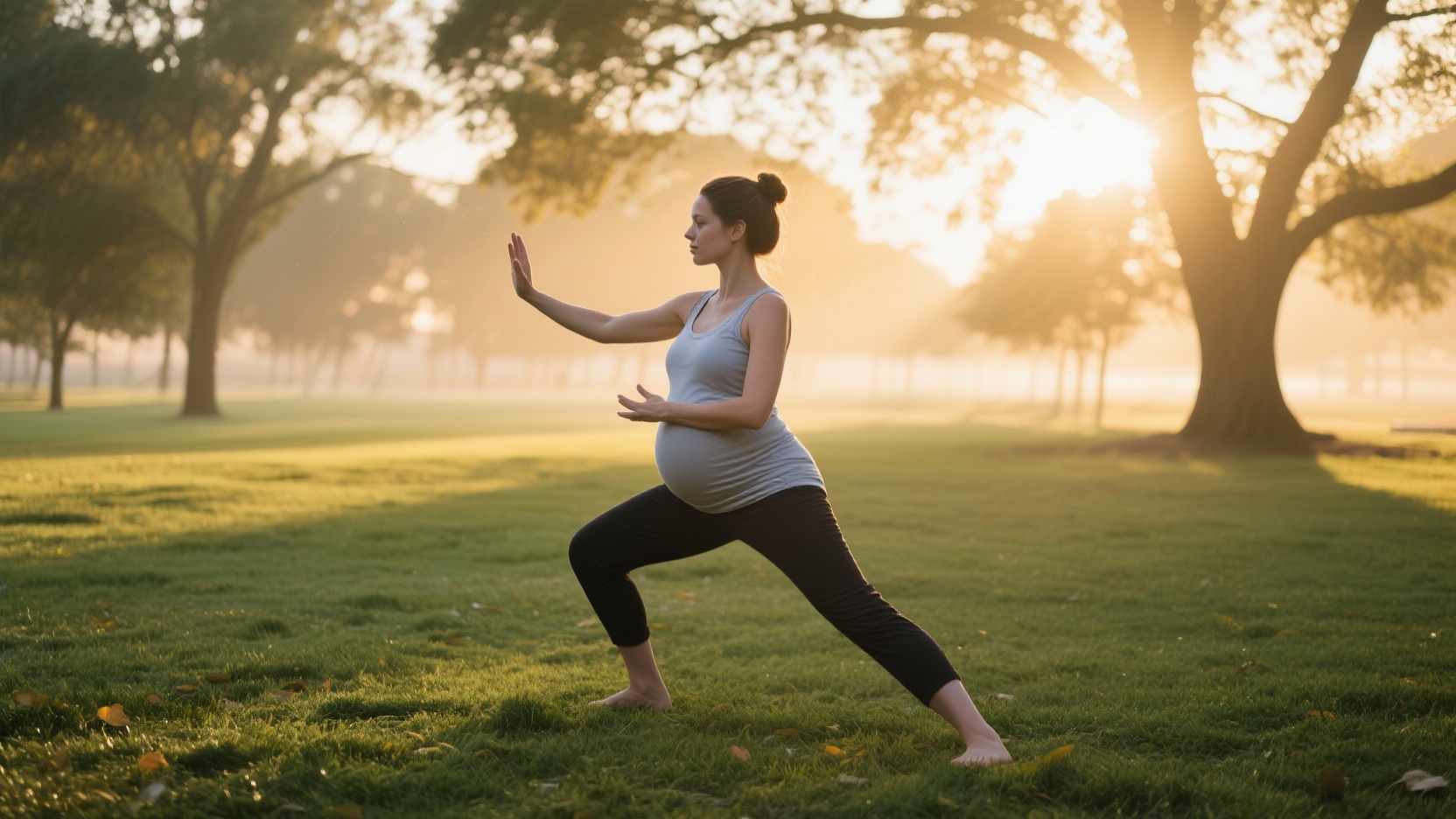
Is Tai Chi Safe During Pregnancy?
For most healthy pregnancies, Tai Chi is generally considered safe when practiced with appropriate modifications and under professional guidance. Because Tai Chi is low-impact and emphasizes balance, breathing, and relaxation rather than intensity, it can be an excellent choice for prenatal exercise.
However, every pregnancy is different. Before starting or continuing Tai Chi, pregnant women should always:
- Consult their obstetrician, midwife, or healthcare provider.
- Inform their Tai Chi instructor that they are pregnant and which trimester they are in.
- Start slowly, especially if they are new to exercise or Tai Chi.
- Stop immediately if they feel pain, dizziness, shortness of breath, or contractions.
Potential Benefits of Tai Chi for Pregnant Women
When practiced safely, Tai Chi can offer several physical and emotional benefits during pregnancy:
- Improved balance and stability: Slow, controlled weight shifts help the body adjust to changes in the center of gravity.
- Reduced stress and anxiety: Mindful breathing and gentle movements can calm the nervous system and improve mood.
- Better posture and reduced back discomfort: Tai Chi encourages upright alignment and relaxed, supported movement, which can ease tension in the back, hips, and shoulders.
- Gentle cardiovascular activity: Continuous slow movement helps maintain basic fitness without overstraining the heart.
- Enhanced body awareness: Pregnant women can become more attuned to their bodies, helping them recognize fatigue or discomfort sooner.
- Improved sleep quality: Relaxation and light activity during the day may support better sleep at night.
General Safety Principles for Practicing Tai Chi While Pregnant
To keep Tai Chi safe during pregnancy, it is important to follow some general principles:
- Avoid overheating: Practice in a cool, well-ventilated space, wear breathable clothing, and stay hydrated.
- Respect fatigue: Pregnancy increases energy demands; shorten sessions and rest whenever needed.
- Modify range of motion: Movements do not need to be deep or large; smaller, comfortable ranges are safer.
- Protect joints: Hormonal changes increase ligament laxity; avoid extreme stretches or locking the knees.
- Maintain safe breathing: Breathing should remain natural and comfortable; avoid any breath-holding techniques.
Tai Chi Movements and Elements Pregnant Women Should Avoid
Not every traditional Tai Chi movement is suitable for pregnancy. The following types of movements are generally best avoided or heavily modified:
1. Deep Stances and Low Squats
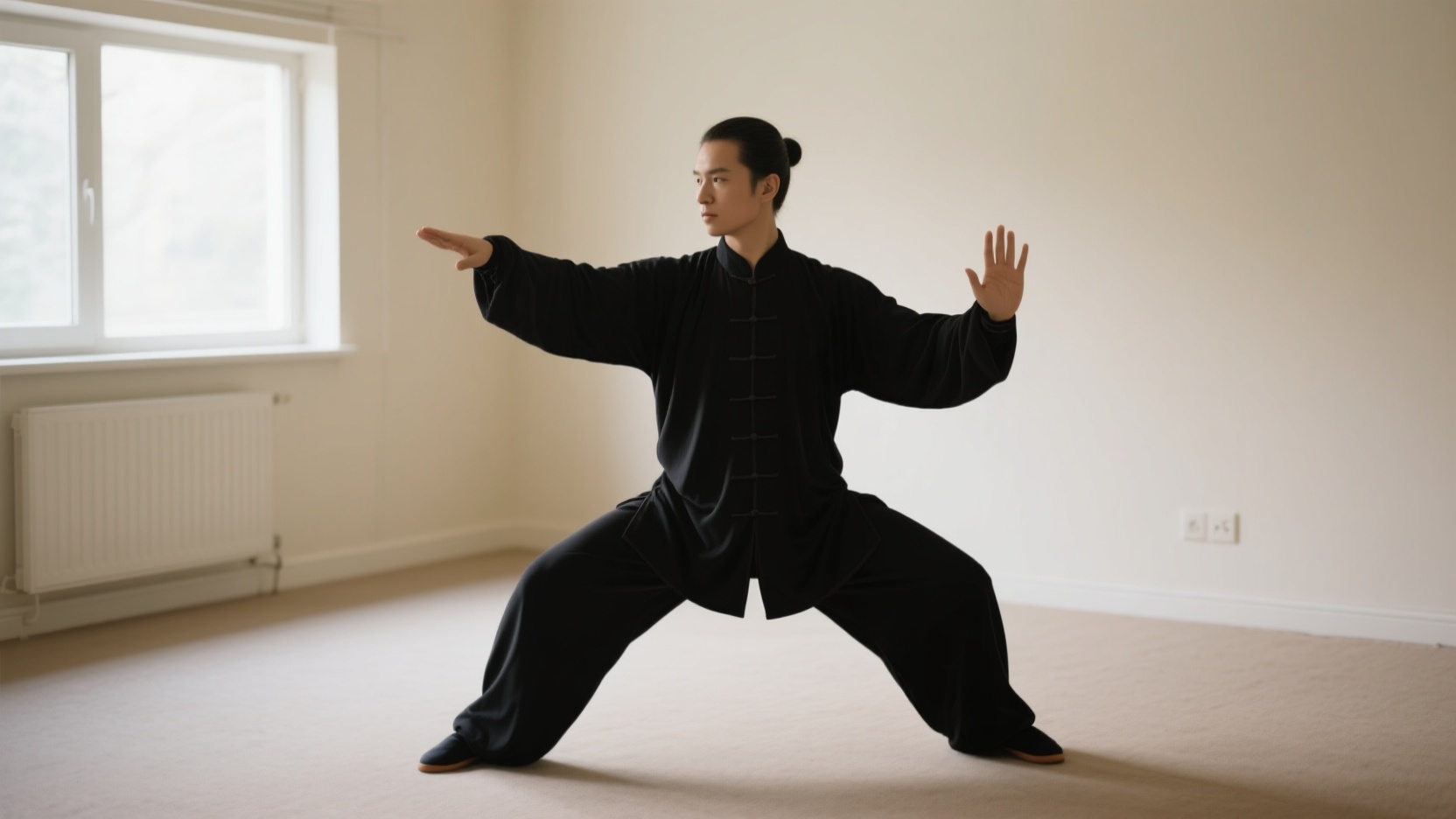
Very low stances such as deep bow stances or low horse stances can place excess pressure on the knees, hips, and pelvic floor. During pregnancy, especially in the second and third trimesters, joints are more vulnerable to strain, and deep squats can be uncomfortable or unsafe.
Modification: Use higher, more upright stances with a comfortable bend in the knees. Keep steps shorter and avoid sinking deeply.
2. Sudden or Explosive Power (Fa Jin)
Some Tai Chi styles include brief explosive power releases or rapid snapping movements. These can sharply increase intra-abdominal pressure and stress the pelvic floor, which is not advisable during pregnancy.
Modification: Focus on slow, continuous, soft movements. Skip sections that call for explosive power, stamping, or fast transitions.
3. High-Impact Steps, Jumps, or Stomps
Although Tai Chi is usually low-impact, a few forms or related drills may include jumps, hopping steps, or firm stamps to the ground. These movements can jar the joints and pelvic region.
Modification: Replace any jumping or stomping with gentle weight transfers and soft, controlled steps.
4. Strong Twisting of the Torso
Excessive spinal rotation or forceful twisting of the waist can feel uncomfortable as the abdomen grows and may strain the lower back.
Modification: Keep rotations smaller and slower. Move from the hips and upper back together, and avoid wringing or twisting through the abdomen.
5. Movements That Compress the Abdomen
Forward bends that compress the belly or require the torso to fold deeply toward the thighs can be uncomfortable and may restrict breathing.
Modification: Maintain a more upright spine, hinge only slightly at the hips, and create space for the abdomen at all times.
6. Long Single-Leg Balances Without Support
Many Tai Chi forms include one-legged postures such as "Golden Rooster Stands on One Leg." As pregnancy progresses, balance becomes more challenging, and falls pose serious risk.
Modification: Do balancing moves near a wall or chair, keep the raised foot low, or change them into light toe-taps instead of full one-leg stands.
7. Practices Involving Intentional Abdominal Contraction
Any training elements that require forceful tightening or drawing in of the abdomen, or specialized internal energy practices that emphasize intense core engagement, should be avoided during pregnancy.
Modification: Let the abdomen remain soft and supported by posture, not by muscular bracing. Focus on gentle diaphragmatic breathing instead.
Recommended Tai Chi Focus for Each Trimester
First Trimester (Weeks 1–13)
In the first trimester, some women feel little physical change, while others experience fatigue and nausea. If the pregnancy is stable and the healthcare provider agrees, most regular Tai Chi practices can continue with minimal adjustment.
- Emphasize gentle warm-ups for the neck, shoulders, hips, and ankles.
- Keep stances moderate rather than very deep.
- Avoid strong abdominal contractions and breath-holding.
- Pay attention to signs of dizziness or unusual fatigue, and shorten sessions as needed.
Second Trimester (Weeks 14–27)
The second trimester is often considered the most comfortable time to exercise. The abdomen begins to show more, and the center of gravity shifts.
- Prioritize upright postures and smooth, flowing transitions.
- Reduce or remove long single-leg balances; add support such as a wall or chair.
- Use narrower, higher stances instead of deep lunges or squats.
- Avoid any movements that feel compressive around the abdomen or lower back.
- Continue to monitor breathing; it should stay easy and natural.
Third Trimester (Weeks 28–Birth)
During the final trimester, the abdomen is heaviest, balance is more challenging, and fatigue may increase. Tai Chi practice should become even more gentle and conservative.
- Shorten practice sessions and take frequent breaks.
- Focus on standing or seated Tai Chi-inspired movements rather than long sequences.
- Keep the feet wider apart for stability; avoid crossing steps that feel unsteady.
- Skip any one-legged postures, jumps, or quick changes of direction.
- Emphasize relaxation, breathing, and mental calm over physical difficulty.
Tips for Practicing Tai Chi Safely During Pregnancy
- Choose the right instructor: Work with a teacher who understands prenatal modifications and is open to adapting the form.
- Practice on a safe surface: Use a flat, non-slip floor, and avoid uneven outdoor ground that could increase the risk of falls.
- Wear supportive footwear: If barefoot practice feels unstable, wear thin, flexible shoes with good grip.
- Stay hydrated: Drink water before, during, and after practice.
- Listen to your body: Any discomfort, pain, dizziness, or shortness of breath is a signal to stop immediately.
- Avoid practicing to exhaustion: Prenatal Tai Chi should leave you feeling refreshed, not drained.
When to Stop Tai Chi and Seek Medical Advice
Pregnant women should stop Tai Chi immediately and contact their healthcare provider if they experience any of the following:
- Vaginal bleeding or fluid leakage
- Regular painful contractions or cramping
- Sudden swelling, severe headache, or visual disturbances
- Chest pain, shortness of breath, or rapid heartbeat that does not ease with rest
- Dizziness, fainting, or loss of balance resulting in a fall
- Decreased fetal movement compared to usual patterns
Conclusion
Tai Chi can be a gentle, beneficial practice for many pregnant women when it is modified thoughtfully and guided by medical advice. By avoiding deep stances, explosive power, jumps, strong twisting, abdominal compression, extended single-leg balances, and intense core work, expectant mothers can enjoy the calming and strengthening aspects of Tai Chi while protecting themselves and their babies.
Always consult your healthcare provider before beginning or continuing Tai Chi during pregnancy, and work with a qualified instructor who understands prenatal needs. With appropriate care, Tai Chi can support a more comfortable, mindful, and empowered pregnancy journey.