Are there scientific studies on Tai Chi's effectiveness in improving balance for seniors?
Yes, the scientific evidence supporting Tai Chi's efficacy in enhancing stability and preventing falls among the elderly is extensive and robust. Numerous meta-analyses and randomized controlled trials (RCTs) confirm that practicing specific Tai Chi styles significantly improves proprioception and dynamic postural control. This ancient Internal Martial Art is now recognized by global health organizations as a highly effective, evidence-based intervention.
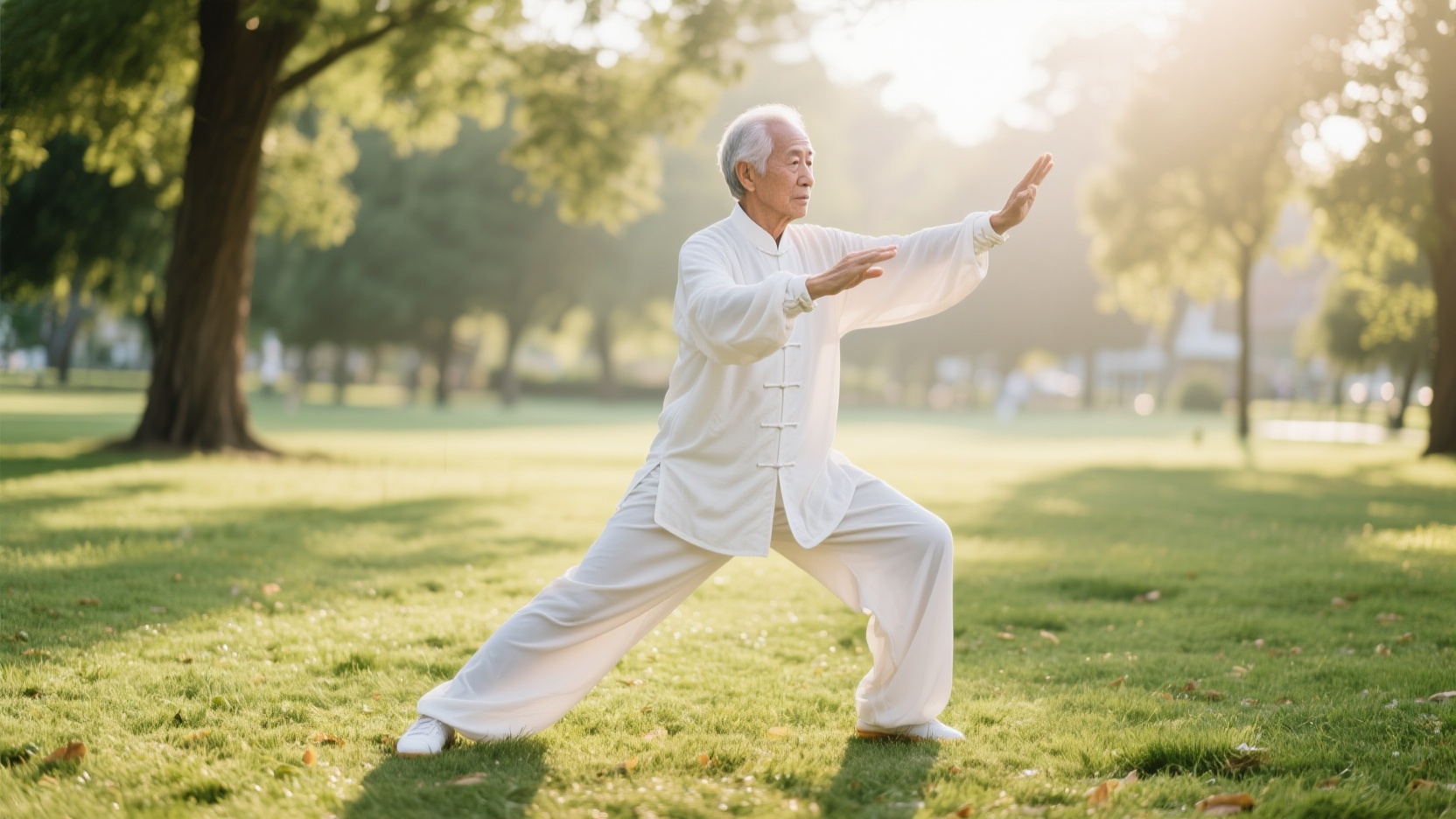
For those seeking Tai Chi for beginners guidance, understanding the underlying mechanisms—like careful weight distribution and gentle movement—is the crucial first step toward leveraging this powerful tool to improve balance. Tai Chi is not merely exercise; it is a systematic retraining of the body’s relationship with gravity and movement.
The Neuro-Muscular Mechanism of Tai Chi for Improved Stability
Tai Chi’s effectiveness stems from its unique engagement with the nervous and musculoskeletal systems. Studies consistently show it increases somatosensory feedback. This is the body’s intrinsic ability to recognize where it is positioned in space, even when the eyes are closed.
The gentle, continuous movements cultivate Qi (Vital Energy). This controlled flow stabilizes the Dantian (Elixir Field), which is located in the lower abdomen and functions as the body's physical and energetic center of gravity. Better control over the Dantian directly correlates to superior dynamic balance, which is essential for fall prevention in seniors.
Furthermore, the practice encourages neuroplasticity. The slow, complex sequences require heightened mental focus, strengthening the neural pathways responsible for coordinating movement and maintaining equilibrium. This neurological resilience remains long after the practice session ends.
Optimized Posture and Stance: The Key to Fall Prevention
In seniors, poor alignment and compensatory movement patterns are primary drivers of instability. Tai Chi posture correction is therefore meticulous and foundational. It focuses on achieving ‘Song’ (Relaxation) throughout the joints while maintaining core structural integrity.
Crucially, proper practice ensures Tai Chi knee protection. The foundational stance (often called the Horse Stance or Bow Stance) demands that the knee never extends past the ankle or tracks inward. This careful articulation prevents strain on the ligaments. The gentle, controlled bending strengthens the surrounding musculature without generating the high impact forces common in other forms of exercise. This technique builds the functional, low-impact strength necessary for safe, independent mobility.
If you are concerned about injury or developing improper habits through self-instruction, systematic guidance is paramount. Achieve true precision and safety from the start. Tai Chi
Applying Advanced Techniques for Functional Stability
The world of Tai Chi is vast, covering many distinct Tai Chi styles—such as Yang, Chen, or Wu. Each style offers slight variations on the methods used to improve balance. Yang style is often recommended for seniors due to its large, expansive, and slow movements. These movements are specifically designed to emphasize coordinated transitions and weight shifting.
Mastering the seamless, intentional transfer of weight between the feet is the ultimate functional goal of the practice. This teaches the body to recover quickly from minor stumbles. Furthermore, advanced practitioners learn to harmonize the Ziwu Liu Zhu (Meridian Tidal Flow). This ancient concept describes the synchronization of energy flowing through the body’s primary energy channels, fostering long-term physiological and neurological resilience.
Consistent, precise practice shifts balance control from conscious effort to subconscious, automatic response. This makes walking, reaching, and daily functional movements safer, more fluid, and significantly reduces the inherent risk of falls.
Conclusion
The scientific consensus is definitive: Tai Chi is a highly effective, low-impact method for dramatically improving balance, stability, and reducing fall risk in older adults. By integrating mindful movement, precise posture, and focused energetic control, Tai Chi offers a holistic pathway to superior stability that addresses physical, mental, and energetic health.
Do not rely on fragmented online resources or incomplete instruction that risks developing bad habits or even injury. Ensure your foundation is Master-level precise from the very first movement. Unlock the profound, scientifically validated benefits of this ancient practice with systematic, expert instruction designed for global learners today.