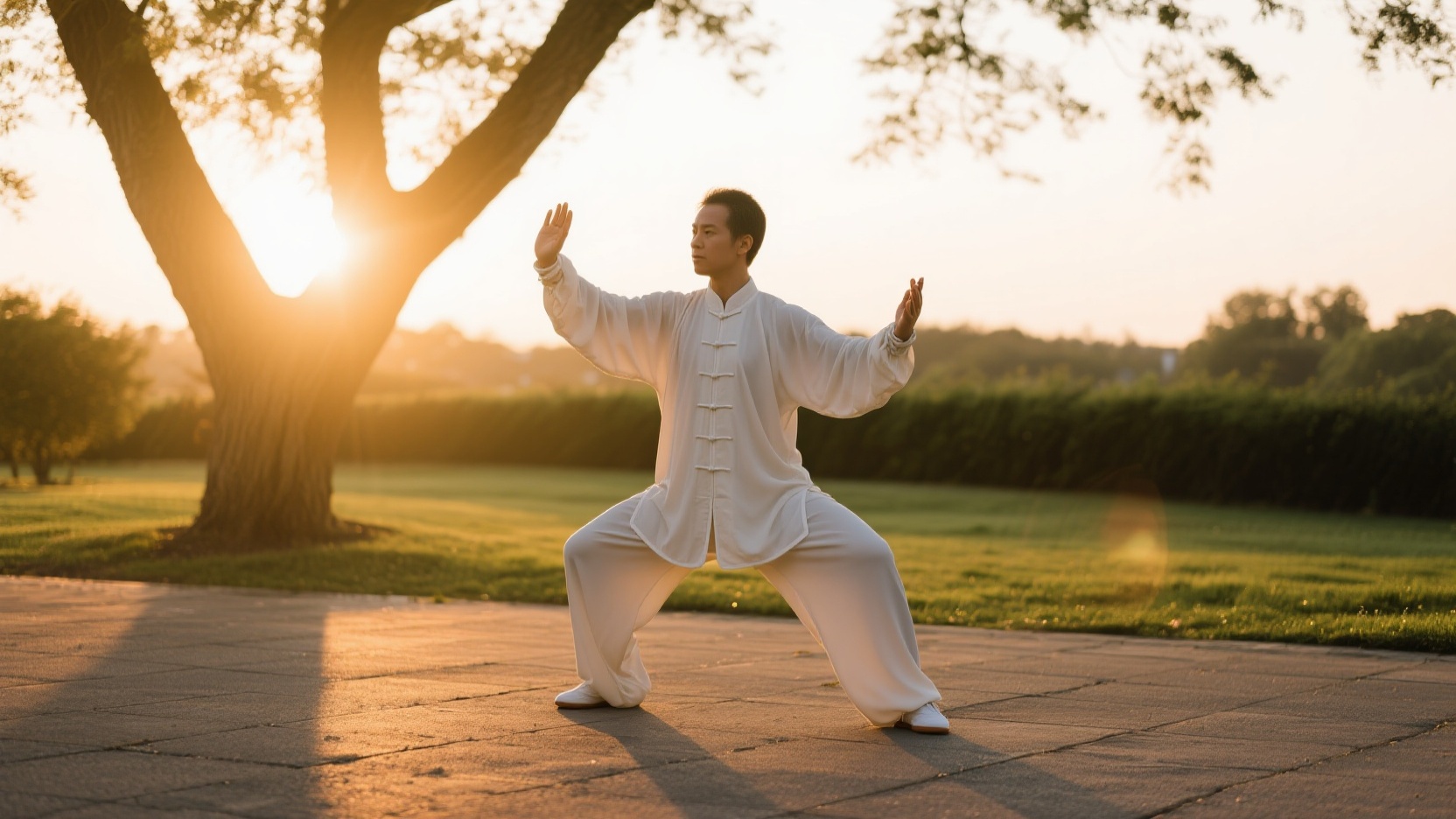
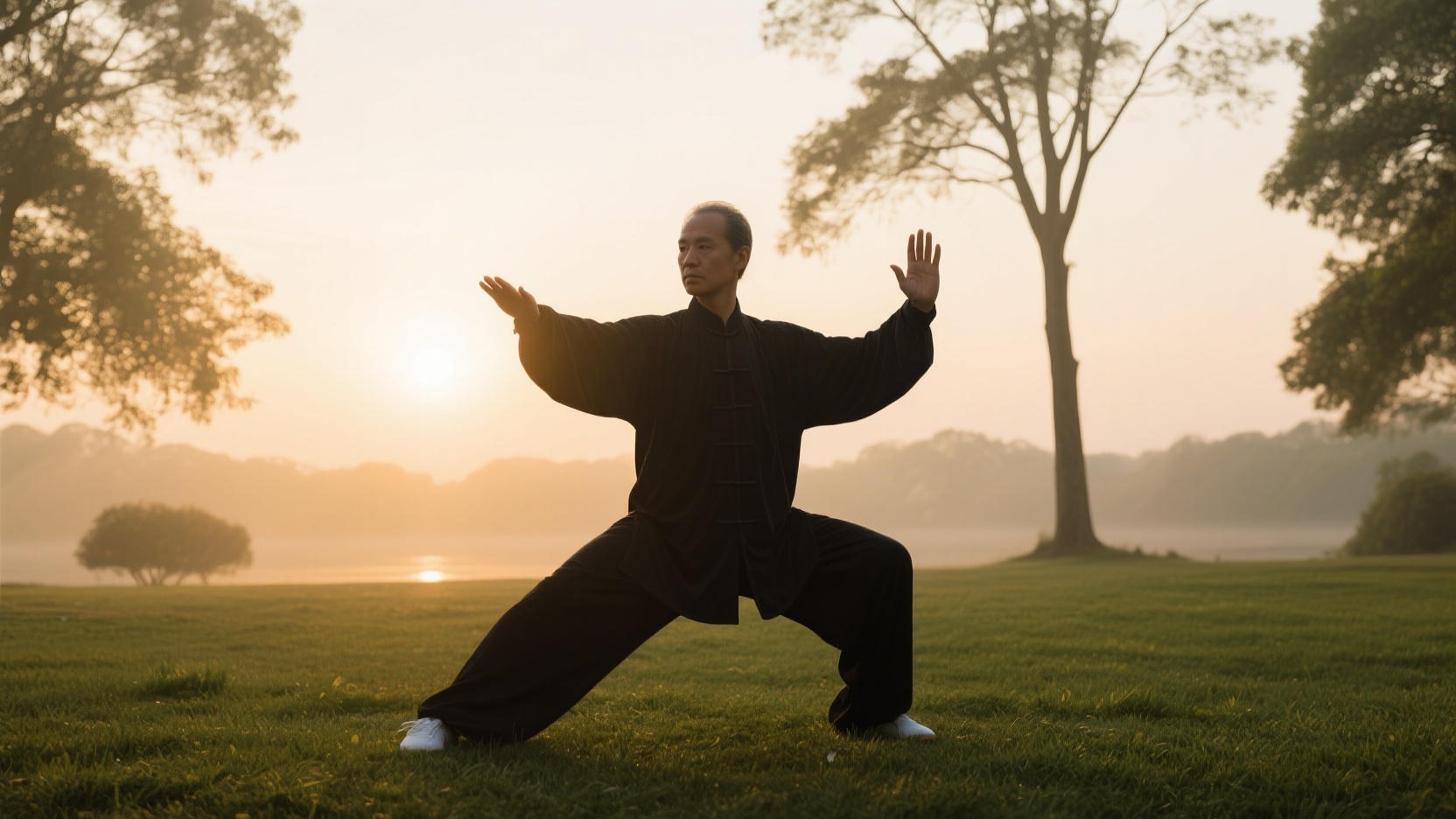
What should I do if I keep forgetting the Tai Chi sequence? Memory cues and tips.
It is incredibly common for Tai Chi for beginners practitioners to feel significant frustration when they keep forgetting the sequence. If you find yourself losing track between movements—don’t worry, this is not a memory failure; it is a retention strategy issue. Tai Chi (Taiji) is not merely a physical sequence of movements; it is a deeply integrated practice of mind (Yi), breath (Qi), and structural alignment (Jing).

As you move through different Tai Chi styles, the complexity increases. The secret to success lies in moving beyond rote memorization. We will explore professional memory cues, rooted in Daoist principles, that transform surface learning into embodied flow, helping you stabilize your structure and significantly improve balance. Learning to anchor the sequence internally is the key to mastering effective Tai Chi posture correction and consistent practice.
Shifting from External Memorization to Internal Anchoring
The primary reason students forget the sequence is that they rely too heavily on visual memory. When you treat the Tai Chi form like a checklist, you force the conscious mind (Yi) to handle too much input. The result is mental fatigue and frequent restarts.
The Concept of Dantian-Centric Practice
In authentic Daoist practice, the movements are generated not from the limbs, but from the core. The secret to retention lies in sinking the mind into the Dantian (Elixir Field), located roughly two inches below the navel. This area serves as the reservoir for your Qi (Vital Energy).
When you initiate a movement from the Dantian, the sequence becomes guided by internal energy flow rather than conscious recall. This transition aligns your physical structure (Jing, or Essence) with your breath and intention (Shen, or Spirit). When Jing, Qi, and Shen are unified, the body remembers the form naturally. You stop thinking about the next step and start feeling the flow of Qi.
Mastering the Segments: Bridging Technique and Posture
Breaking down the long sequence into smaller, functional chunks is essential for consolidation. A sequence that feels overwhelming when viewed as 108 movements becomes manageable when viewed as four distinct segments.
Three-Movement Anchors
Instead of trying to memorize the entire sequence, identify "anchor points." These are typically three successive, highly recognizable movements that define a change in direction or focus. For example, in many Tai Chi styles, "Parting the Wild Horse’s Mane" is followed by "White Crane Spreads Its Wings." Practice these three-movement clusters until they feel like one continuous phrase, ensuring precise Tai Chi posture correction throughout the transition.
The Role of Transitional Cues
Forgetting often happens during the transition (the pivot or the shift). Use sensory cues related to weight distribution to guide you. For example, if your weight is 100% on the right foot, your next movement must involve stepping out or shifting. Mentally label this moment: “Full Right, Prepare Left.” This simple, focused internal command keeps the mind anchored and reduces the reliance on visual recall, helping you maintain stability and improve balance.
If you are struggling to create a reliable, systematic practice structure, or if you fear consolidating errors through self-teaching, expert guidance can save months of trial and error. Learn the sequence precisely, step-by-step, with crystal clear instruction.
Advanced Cues for Retention and Fluidity
Once you are comfortable with the segments, the focus shifts to internalizing the flow and protecting the body, especially in areas like the joints.
Using the Breath as a Chronometer
The breath provides a reliable internal rhythm that is immune to visual distractions. Match each major inhalation (gathering) and exhalation (expelling/releasing) to specific phases of the sequence. If you forget the movement, simply follow the established breath pattern. The body often follows the breath pattern back into the correct movement, reinforcing the deep mind-body connection crucial for longevity and Tai Chi knee protection.
Protecting the Joints and Mastering Stances
Effective retention is linked to structural safety. When practicing the form, prioritize proper alignment over speed. Always ensure the knee does not track past the toes to maintain excellent Tai Chi knee protection. Focusing on these physical checkpoints acts as another memory trigger. If your stance is correct, your body is naturally ready for the next appropriate move. If your stance is compromised, your body subtly signals that the sequence has gone astray, forcing immediate self-correction.
This attention to physical detail is crucial, whether you are practicing the large, expansive movements of the Yang Style or the powerful coiling movements characteristic of Chen Style Tai Chi styles. Precision enhances recall.
Conclusion: The Path to Embodied Mastery
Forgetting the Tai Chi sequence is a universal challenge that is best overcome by shifting your focus from external visual recall to internal energetic and structural anchoring. By using the Dantian as your center, chunking the sequence into small segments, and employing breath cues, you transform the practice from a difficult memorization drill into a naturally flowing meditative experience.
Stop struggling with self-taught confusion and start learning the sequences with the precision of a Master. Our comprehensive online course provides structured lessons and detailed analysis of every posture, ensuring perfect form retention, maximal internal energy cultivation, and optimal joint safety from day one. Invest in professional systematic learning and achieve true mastery faster.