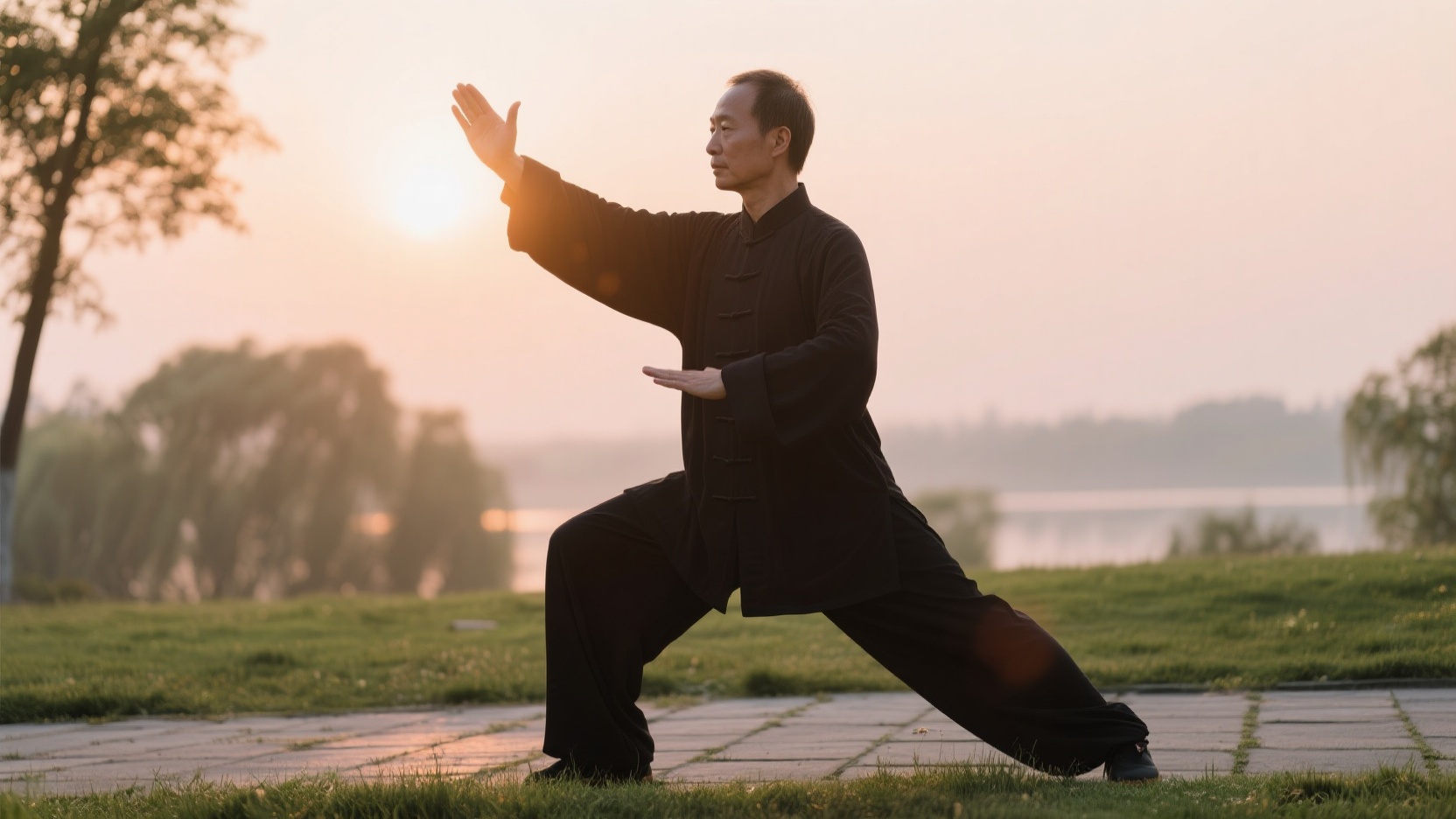
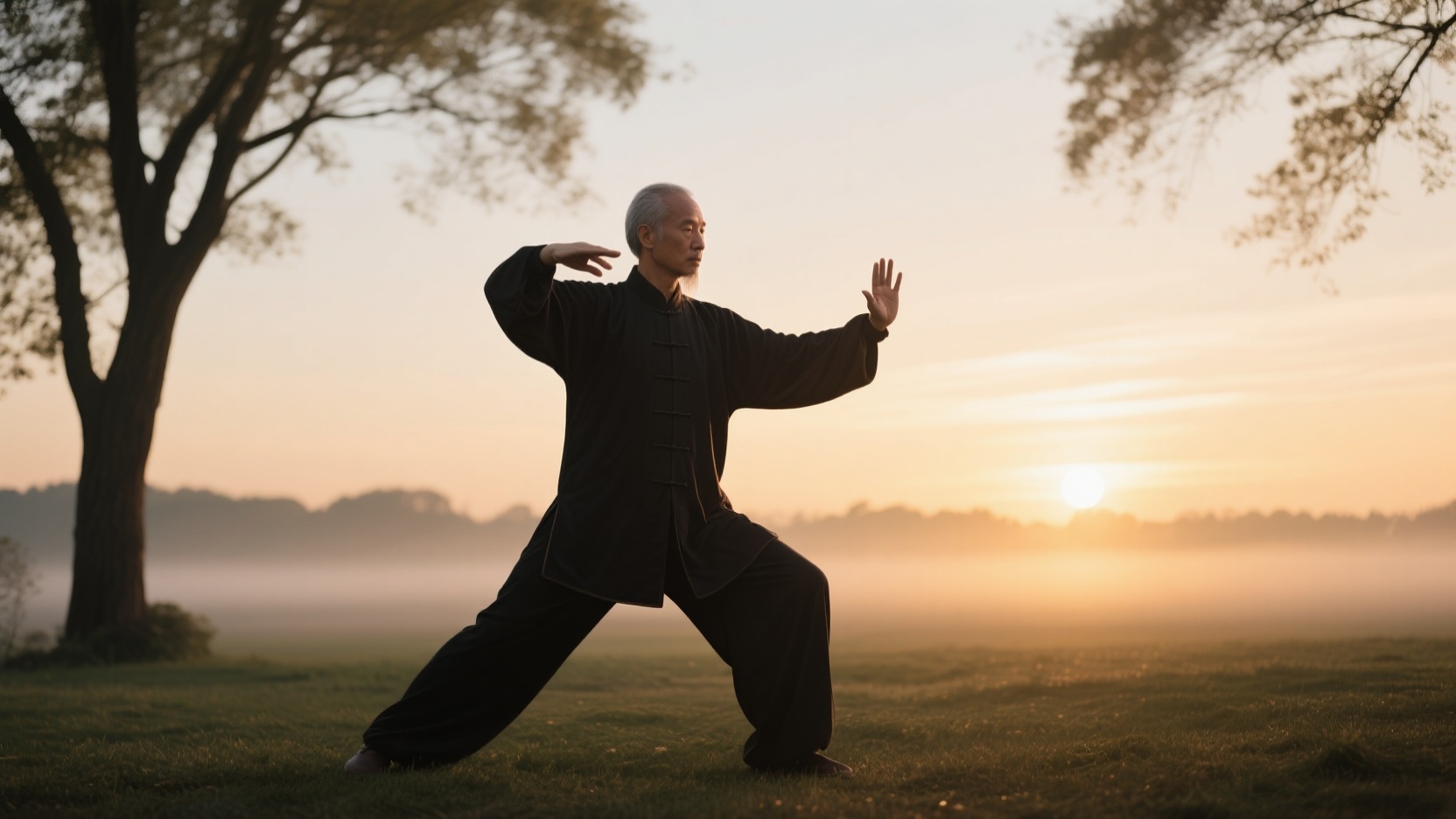
Is there scientific evidence that long-term Wu Qin Xi practice can improve vision?
While direct, large-scale clinical trials specifically linking long-term Wu Qin Xi benefits to significantly improved visual acuity are still emerging in Western literature, the traditional Chinese medical (TCM) understanding strongly supports its benefits via systemic regulation. This authoritative Qigong practice focuses on internal organ nourishment and the smooth flow of Qi (vital energy). Preliminary scientific data suggests that meditative movement, including forms of Longevity Qigong, significantly enhances ocular blood circulation and reduces intraocular pressure. This systemic support is achieved through controlled posture, deep Qigong breathing, and mental focus, indirectly supporting visual health rather than acting as a simple external cure.
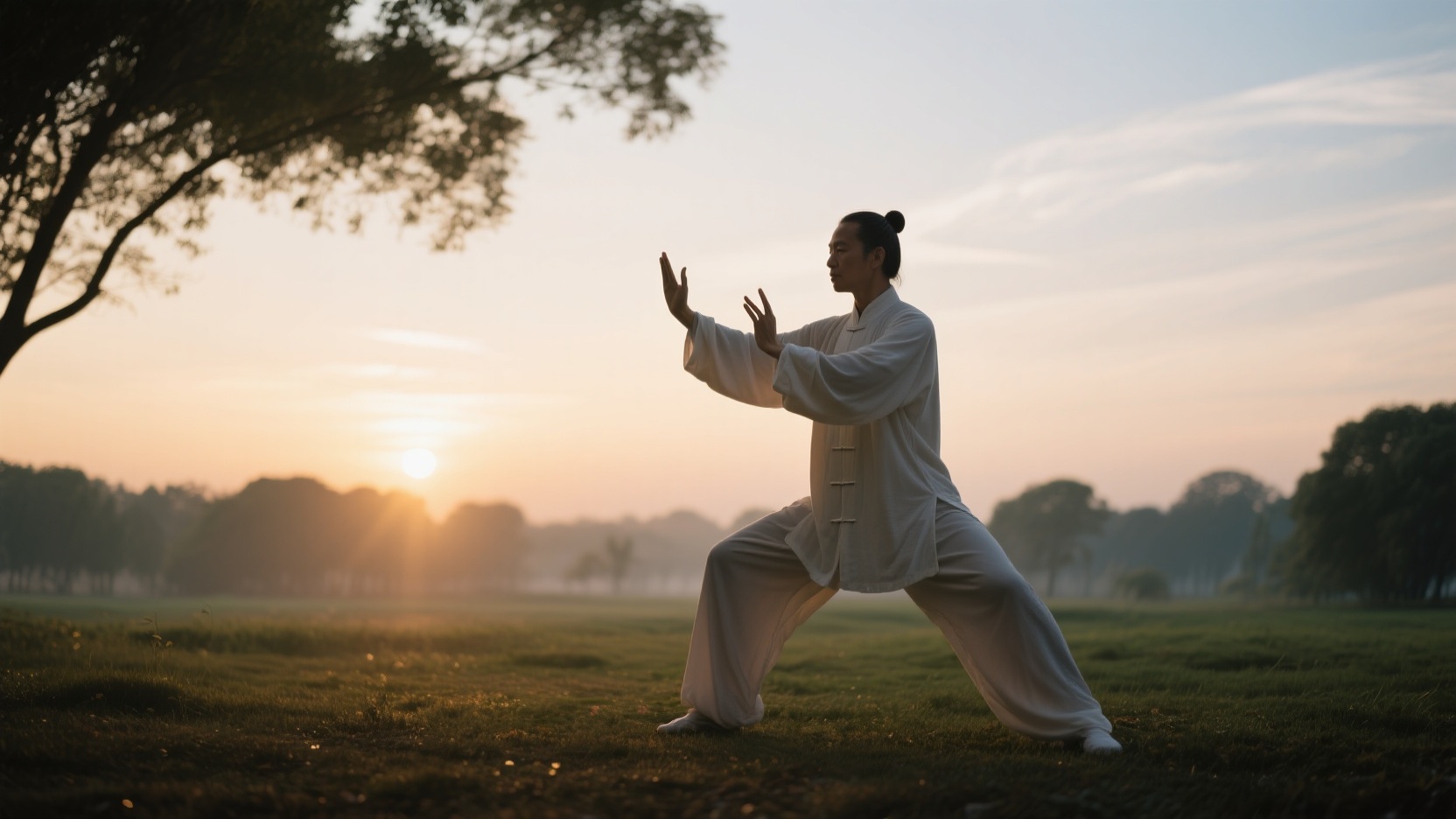
The TCM Principle: Jing, Qi, Shen, and the Ocular System
To understand how a physical Qigong routine can benefit the eyes, we must first adopt the holistic Daoist view of the body. In Daoist internal arts, the eyes (often referred to in TCM as the "Orifices of the Liver") are considered a direct external manifestation of internal balance.
The Liver-Eye Connection and Energy Cultivation
The health of your internal resources—specifically your Jing (Essence), Qi (Vitality), and Shen (Spirit)—directly reflects in your visual function. According to TCM theory, the Liver is the organ responsible for storing blood and ensuring the smooth flow of Qi throughout the body. If the Liver system is depleted or stagnant, it fails to nourish the eyes adequately, leading to issues like dry eyes, blurred vision, or floaters.
Wu Qin Xi (Five Animal Play) systematically incorporates movements that gently stretch and stimulate the Liver meridian. Furthermore, all Longevity Qigong practices aim to consolidate and circulate energy from the lower Dantian (Elixir Field), ensuring that vital resources are conserved and appropriately delivered throughout the entire system, including the sensory organs.
How Wu Qin Xi and Related Practices Target Ocular Health
Unlike simple external eye exercises, Qigong utilizes internal mechanisms of control. The precision and intent (Yi) behind the movements are what drive therapeutic effects.
Systematic Meridian and Muscular Stimulation
Forms like Wu Qin Xi or the fundamental Ba Duan Jin techniques (Eight Brocades) utilize whole-body movement to create internal pressure differentials. For instance, the Bear Play segment of Wu Qin Xi focuses on strengthening the lumbar region and spine, which indirectly improves circulation pathways to the head.
The movements require slow, controlled physical shifts, combined with deep abdominal Qigong breathing, which dramatically lowers the sympathetic nervous system activity. This transition to a parasympathetic, "rest and digest" state is key. Lowering systemic stress and improving deep blood flow to the head and neck are critical components that promote healing in the delicate ocular tissues.
If you find the foundational movements of Qigong complex or fear making self-taught errors that compromise your results, precise instruction is essential for true internal transformation. Learn the systematic, master-level approach to energy cultivation now:
Modern Scientific Corroboration and Measurable Wu Qin Xi Benefits
While the full breadth of Qigong's effects is still under investigation, modern imaging technology is beginning to validate the systemic mechanisms described by Daoist masters for millennia.
Evidence on Blood Flow and Neuroplasticity
Recent studies using Doppler sonography have confirmed that consistent Qigong practice, particularly movement-based forms like Tai Chi and Wu Qin Xi, significantly increases blood flow velocity in the ophthalmic artery. Improved, oxygen-rich circulation delivers more nutrients to the retina and optic nerve, which are essential for repairing cellular damage and reducing oxidative stress.
Furthermore, long-term Qigong enhances neuroplasticity and strengthens the coherence between the mind (Shen) and body (Jing). This profound psychophysical regulation helps maintain the subtle internal environment necessary for optimal sensory function. Thus, better visual stability and health are considered measurable Wu Qin Xi benefits derived from holistic internal conditioning.
Conclusion: The Path to Systemic Wellness
The scientific evidence, while fragmented, strongly supports the Daoist claim that long-term Qigong practice improves visual health not through direct optical correction, but through profound systemic regulation. By restoring the vitality of the Liver, improving the flow through the meridian system (governed by the Ziwu Liu Zhu (Meridian Tidal Flow) cycle), and strengthening the internal foundations of Jing, Qi, and Shen, we create an internal environment where the sensory organs can truly thrive.
The journey toward enhanced longevity and superior visual acuity requires more than simple exercises; it demands systematic cultivation of Jing, Qi, and Shen. Investing in Master-level guidance saves decades of trial-and-error and ensures your energy cultivation is precise and transformative.