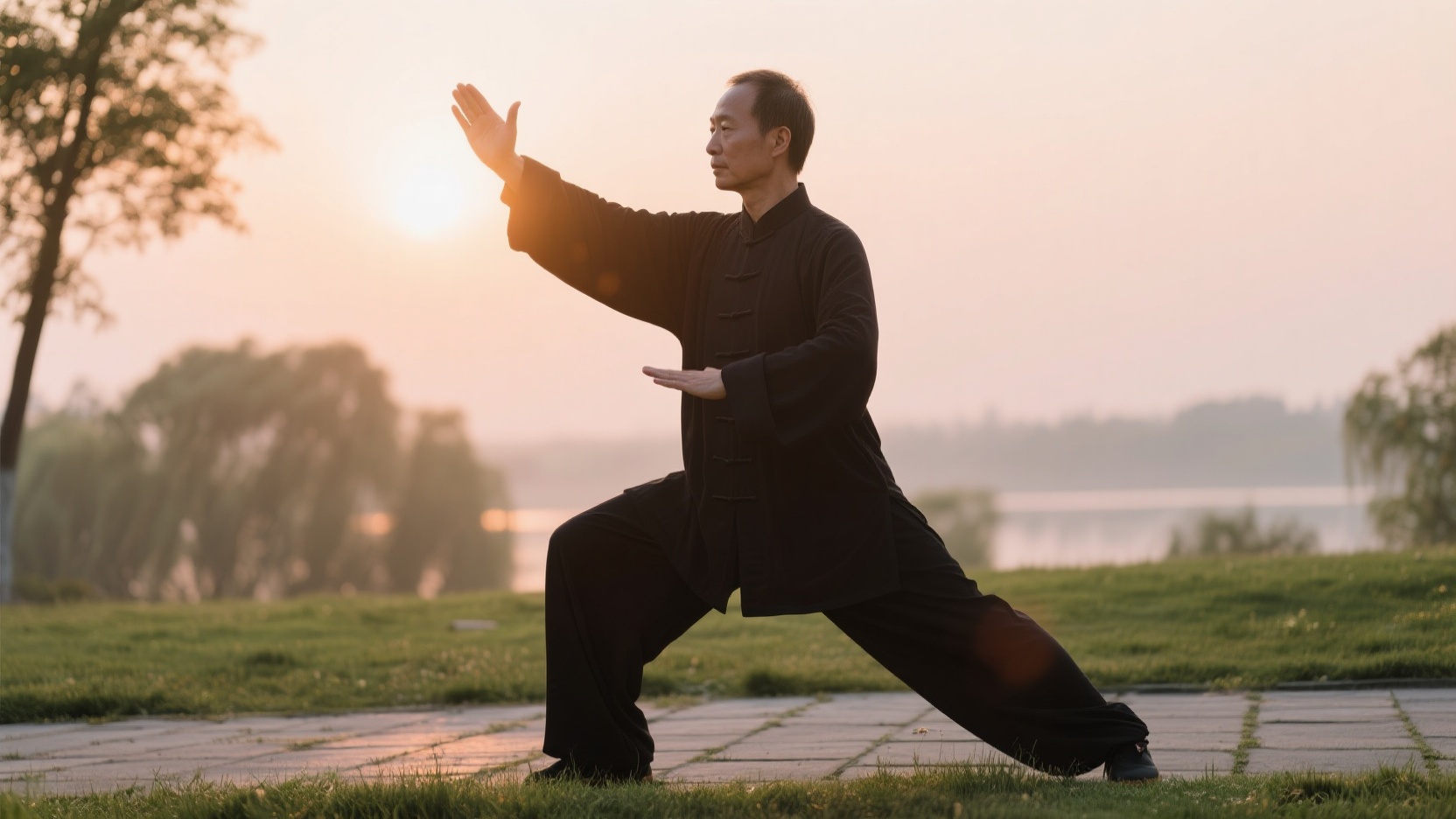
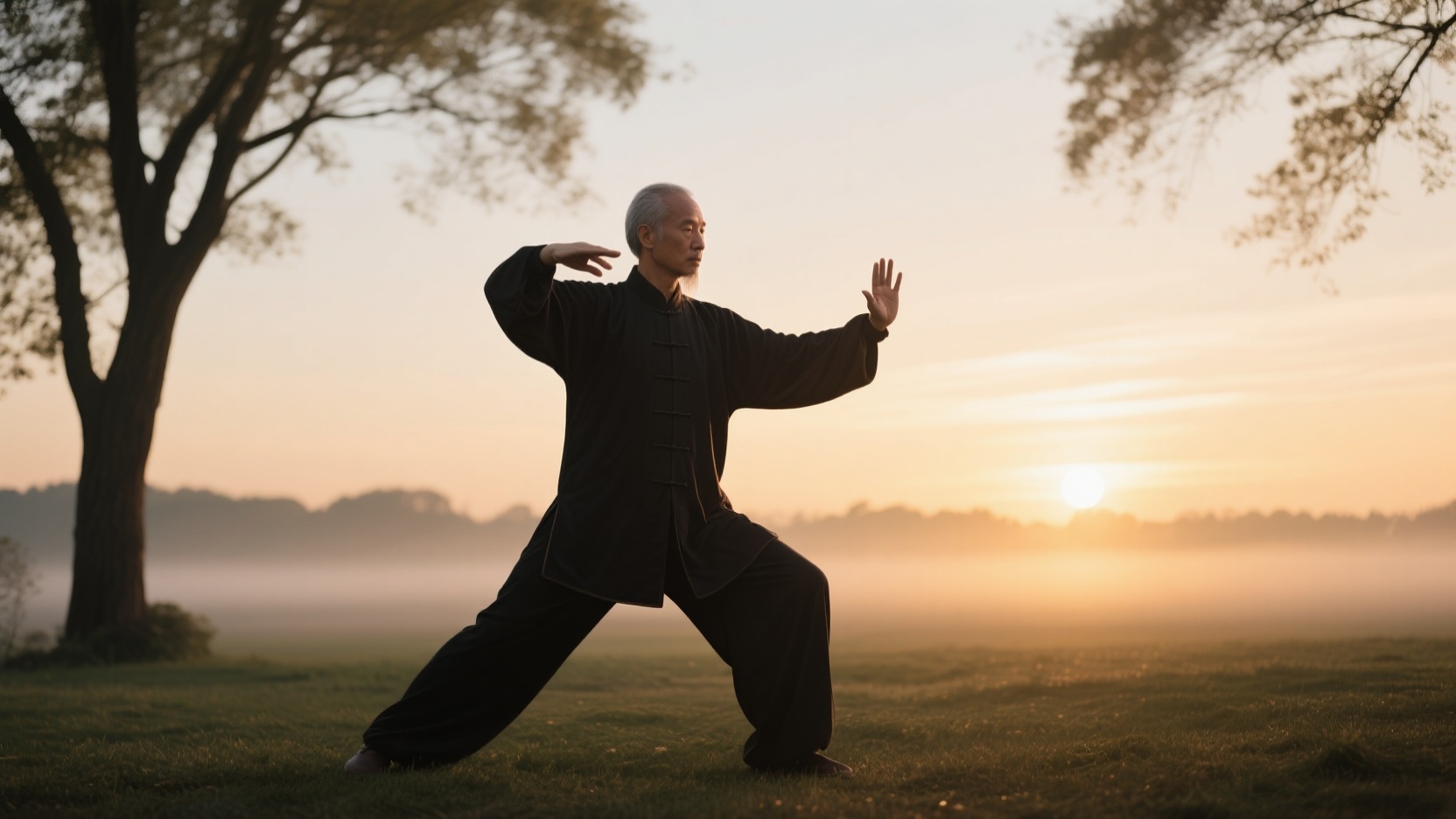
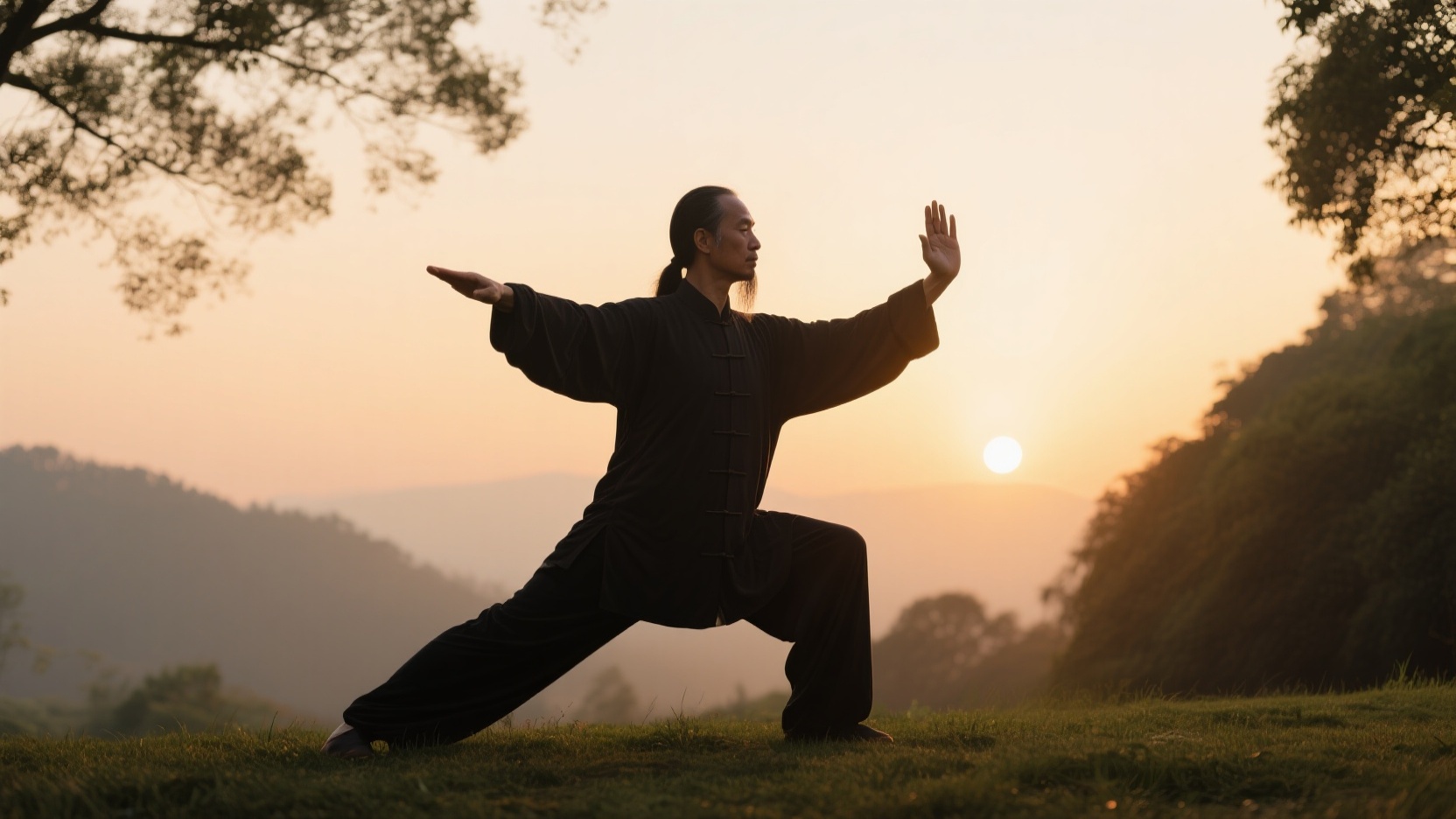
How is Qigong used in Traditional Chinese Medicine (TCM) to assist in treating high blood pressure?
High blood pressure (hypertension) is a major global health concern, but the foundational principles of Traditional Chinese Medicine (TCM) offer profound, non-pharmacological methods for management. So, how exactly is Qigong used? The disciplined practice of Qigong acts as a potent intervention by regulating autonomic nervous system function, restoring systemic balance, and calming the turbulent energies that contribute to elevated blood pressure.
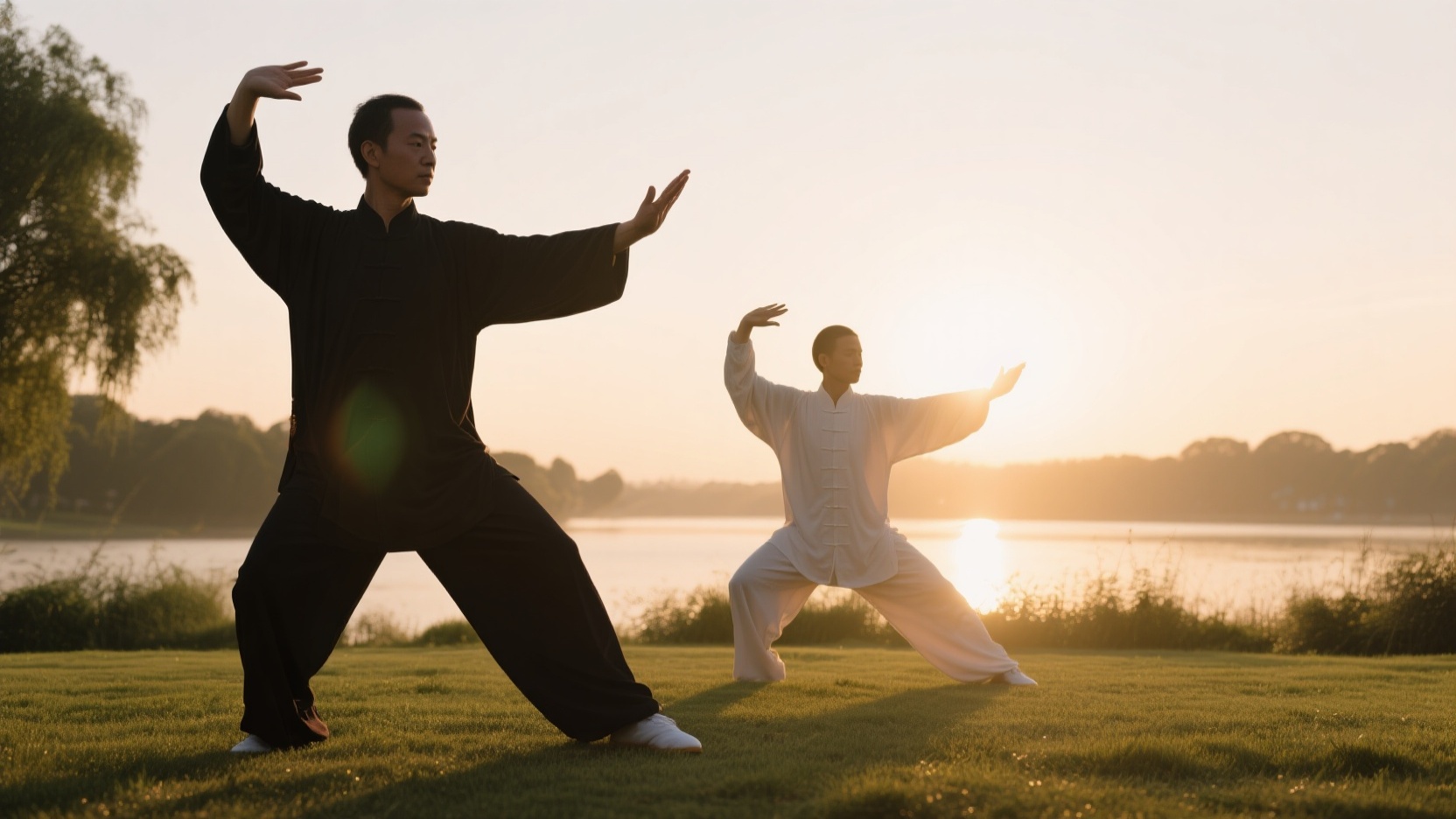
In TCM theory, hypertension is often linked to the excessive rising of Liver Yang (an overactive, rising energy) or Kidney Yin deficiency. Consistent Longevity Qigong practice addresses these root imbalances through gentle movement, specific visualizations, and deep Qigong breathing. This approach, which emphasizes the circulation of Qi (vital energy), is foundational to preventative wellness and a powerful adjunctive therapy for supporting cardiovascular health.
The TCM Principle: Addressing the Roots of Hypertension
In the context of TCM, high blood pressure is rarely viewed as an isolated mechanical failure of the vascular system. Instead, it is seen as a manifestation of energetic disharmony. The most common patterns contributing to hypertension are Liver Yang Rising and Phlegm-Damp accumulation.
Regulating the Qi and Blood Circulation
Effective Qigong practice works by calming the internal winds stirred up by excess Liver Yang. The focus is placed on the lower Dantian (Elixir Field), drawing excess energy down from the head and regulating the flow of Qi (vital energy) and Xue (Blood). This downward redirection is crucial for alleviating symptoms like headaches, dizziness, and the characteristic flush associated with high blood pressure spikes.
The practice also fortifies the Kidneys, addressing the underlying Yin deficiency that often fails to anchor the Yang energy. By nourishing Jing (Essence), Qigong provides the deep resources necessary for systemic regulation and stabilization.
Targeted Qigong Techniques for Blood Pressure Stabilization
While any mindful Qigong practice benefits overall health, specific classical forms are highly recommended in TCM clinics for managing hypertension. These forms utilize precise movements to stretch and harmonize the meridian pathways associated with the Liver and Kidney systems.
Using Ba Duan Jin and Wu Qin Xi Benefits
The Ba Duan Jin techniques (Eight Brocades) are particularly beneficial. Movements like "Holding the Heavens with Two Hands" gently stretch the torso and facilitate the downward movement of Qi. Furthermore, the "Drawing the Bow to Shoot the Eagle" posture opens the chest, regulating the Heart Qi and reducing stress—a key aggravator of hypertension.
The Wu Qin Xi benefits (Five Animal Frolics) offer movements, especially the Deer and Bear forms, that focus on cultivating inner strength and flexibility, supporting the structural and energetic components required for long-term health stabilization.
The Power of Intentional Qigong Breathing
Central to managing hypertension is Qigong breathing, specifically techniques that utilize abdominal respiration. Deep, slow, diaphragmatic breathing activates the parasympathetic nervous system (rest and digest mode). This immediate shift decreases vascular tension and naturally lowers the heart rate, providing a quick and sustainable way to moderate blood pressure during practice.
If you feel overwhelmed trying to self-teach these complex classical forms or fear making fundamental mistakes that could undermine your efforts, systematic training is essential. Learn the precise movements and internal methods that Masters use to cultivate powerful, stabilizing energy with our dedicated curriculum:
Beyond Practice: Integrating Qigong into a Longevity Lifestyle
Qigong is most effective when integrated into a comprehensive Longevity Qigong framework. This framework considers timing, diet, and emotional regulation alongside physical movement.
The Importance of Timing and Persistence
TCM emphasizes the Ziwu Liu Zhu (Meridian Tidal Flow), suggesting optimal times for practice align with the Liver and Heart meridians. Consistent daily commitment, rather than intense, sporadic practice, yields the greatest cardiovascular benefits. Persistence trains the body to maintain the regulated state achieved during Qigong.
Emotional Regulation (Shen Stabilization)
Uncontrolled emotions, especially anger and stress, contribute significantly to Liver Qi stagnation and rising Yang energy. Qigong practice stabilizes the Shen (Spirit or Mind). By fostering a state of calm awareness, practitioners reduce their overall reactivity and interrupt the emotional cycle that drives hypertension.
Conclusion: Stabilizing Health Through Daoist Practice
Qigong is far more than physical exercise; it is a sophisticated energetic therapy utilized within TCM to address the systemic imbalances underlying high blood pressure. By employing specialized movements like the Ba Duan Jin techniques, intentional breathing, and mindful stabilization of the Shen, individuals can actively participate in regulating their cardiovascular health and promoting true longevity.
Do not waste years struggling with fragmented instruction or generic videos. To achieve the deep, palpable energy stabilization required for managing chronic conditions, you need master-level precision and a curriculum designed for immediate, profound results. Start your journey with systematic guidance designed to refine your internal energetics and master the true principles of Daoist health preservation today.