Why does my body involuntarily shake or tremble when practicing Qigong?
Involuntary shaking or trembling during Qigong practice is a deeply common experience. Far from being a sign of error, this phenomenon is often indicative of profound internal reorganization. This is known in Daoist tradition as "Fascial Unwinding" or Qi Spontaneous Movement (Zifa Gong).
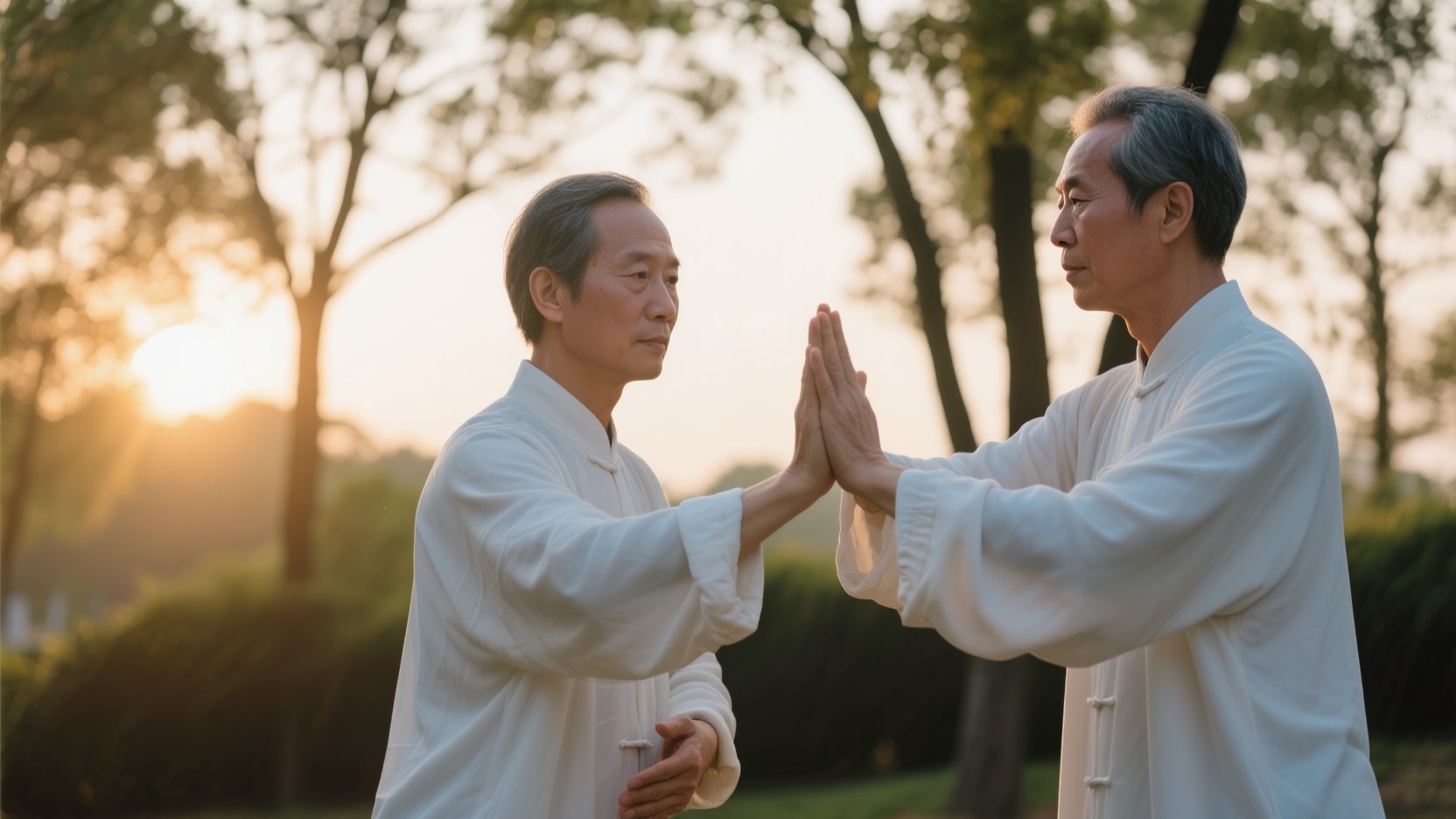
When you engage in deep Qigong breathing or sustained practices designed for vitality, such as Longevity Qigong, the body begins releasing deeply held tension and dissolving energetic stagnation. This vital process demonstrates that your Qigong practice is successfully engaging the subtle energetic pathways (Jing Luo). Understanding the root cause—whether it is deep release or mild nervous tension—is key to harnessing this powerful process for maximum health benefits. This guided response applies equally to foundational methods like Ba Duan Jin techniques and more complex forms like Wu Qin Xi benefits.
The Daoist Principle: Why Blockages Cause Movement
Qigong, literally meaning "Skill of Working with Vital Energy," operates on the principle that health relies on the smooth, unimpeded flow of Qi (Vital Energy). Shaking is frequently a symptom of your body attempting to clear pathways that have been blocked by stress, injury, or emotional trauma.
The Interplay of Jing, Qi, and Shen
From a classical Daoist medical perspective, our internal system is governed by three treasures: Jing (Essence), Qi (Vital Energy), and Shen (Spirit). When practicing Qigong, you are refining these treasures. Involuntary shaking often occurs when concentrated Qi attempts to move through areas where the meridians are tight or constricted. This is a sign of internal pressure building and being released:
- Nervous System Release: Modern science notes that Qigong moves the practitioner from the sympathetic ("fight or flight") to the parasympathetic ("rest and digest") state. Shaking is often the nervous system purging stored stress or trauma, especially when focusing on deep abdominal Qigong breathing.
- Fascial & Muscular Unwinding: Deep postures, especially those emphasizing rooting and structural alignment, engage the fascia (connective tissue). The trembling action helps unwind and release chronic muscular holdings, allowing the structure to realign spontaneously.
- Activation of the Dantian: If the shaking originates from the Lower Dantian (Elixir Field), it indicates powerful Qi consolidation and activation. The involuntary micro-movements help strengthen the core energetic container.
Decoding the Types of Trembling and Shaking
Not all shaking is the same. Recognizing the quality and location of the movement helps the practitioner respond appropriately. For example, a mild tremor felt during a holding posture is different from a strong, full-body vibration experienced during deep meditation.
Trembling Due to Improper Alignment vs. Profound Release
It is important to differentiate beneficial Zifa Gong (Spontaneous Movement) from simple physical fatigue. When practicing specific forms, such as holding the Horse Stance required in some Ba Duan Jin techniques, localized shaking in the legs may initially signal muscle fatigue. However, if that trembling persists with deep relaxation and focused intent (Yi), it shifts into a beneficial release.
- Mild, Localized Tremor: Often related to structural correction or mild exhaustion. Relax the area, but do not stop the movement entirely.
- Strong, Full-Body Vibration: This indicates significant Qi flow. The body is clearing major blockages, perhaps along the spine or through major energy gates.
- Cold or Fear-Induced Shaking: If accompanied by sudden coldness or panic, stop the practice immediately, root yourself, and gently guide the Qi back to the Lower Dantian.
If the intensity or unexpected nature of spontaneous movements is causing fear or uncertainty, it signals a need for professional, systematic guidance. Self-guided practice often leads to confusion and misinterpretation of these powerful internal signals. To confidently navigate these phases of release and ensure your energy is correctly cultivated for true Longevity Qigong benefits, precise instruction is essential.
Learn the exact methodologies to control and integrate deep energetic releases with the comprehensive training found in the Vajra Longevity Qigong course.
Stabilizing the Practice: Techniques for Safe Integration
The goal is not to stop the spontaneous movement entirely, but to manage and harmonize it. If shaking occurs, use your mind (Yi) to guide the energy without forcing the body.
Adjusting Intention and Posture
When spontaneous movement begins, the critical error is fighting it. Resistance turns the healthy flow of Qi into internal conflict. Instead, adopt these strategies:
- Root and Relax: Increase focus on your feet pressing into the ground. Simultaneously relax all unnecessary tension in the shoulders, face, and chest.
- Focus on the Breath: Maintain rhythmic Qigong breathing. Breathe deeply into the Lower Dantian (three finger-widths below the navel). Focus on the rhythm of inhalation and exhalation, not the shaking itself.
- Softly Guide the Qi: If the shaking is violent or uncomfortable, gently imagine the sensation dissolving and the energy returning to the Dantian. Do not use force; use gentle intention.
When practiced correctly, forms like the Wu Qin Xi benefits or specific Vajra techniques teach the body to handle intense energy flow safely. They provide the necessary structural stability to contain the power generated by deep internal work, ensuring the movement serves purification rather than destabilization.
Conclusion: Embracing the Tremor of Transformation
Involuntary shaking during Qigong is a powerful affirmation that your practice is working at a deep, fundamental level. It represents the vital energy (Qi) clearing old physical, energetic, and emotional stagnation. By understanding these internal dynamics and responding with patience, relaxation, and focused intention (Yi), you can transform a momentary confusion into a profound phase of self-healing and accelerated growth.
To move past uncertainty and gain the Master-level precision required to correctly interpret and guide these powerful energetic transformations, professional training is non-negotiable. Stop relying on guesswork or potentially inaccurate self-taught methods that might neglect critical safety protocols for deep energetic work. Start your journey with definitive, systematic instruction today and unlock your body’s full regenerative potential through authentic Daoist practice.