Which is better for elderly practitioners: Ba Duan Jin or Yi Jin Jing (Muscle Tendon Changing Classic)?
As more seniors look for gentle, effective ways to maintain strength, balance, and vitality, two traditional Chinese qigong routines often stand out: Ba Duan Jin (Eight Brocades) and Yi Jin Jing (Muscle Tendon Changing Classic). Both are time-tested health practices, but they differ significantly in intensity, difficulty, and suitability for older practitioners.
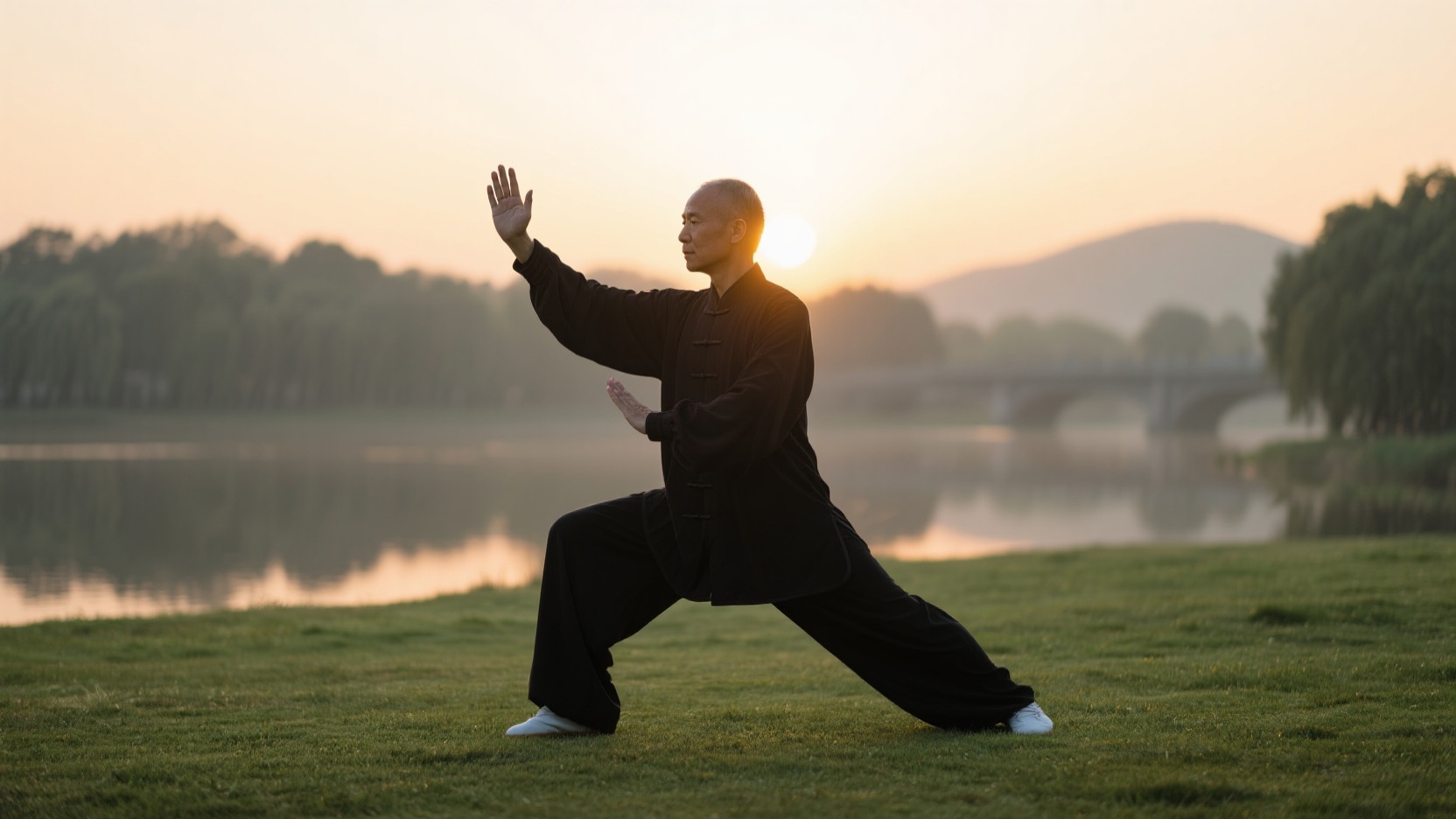
What are Ba Duan Jin and Yi Jin Jing?
Ba Duan Jin (Eight Brocades)
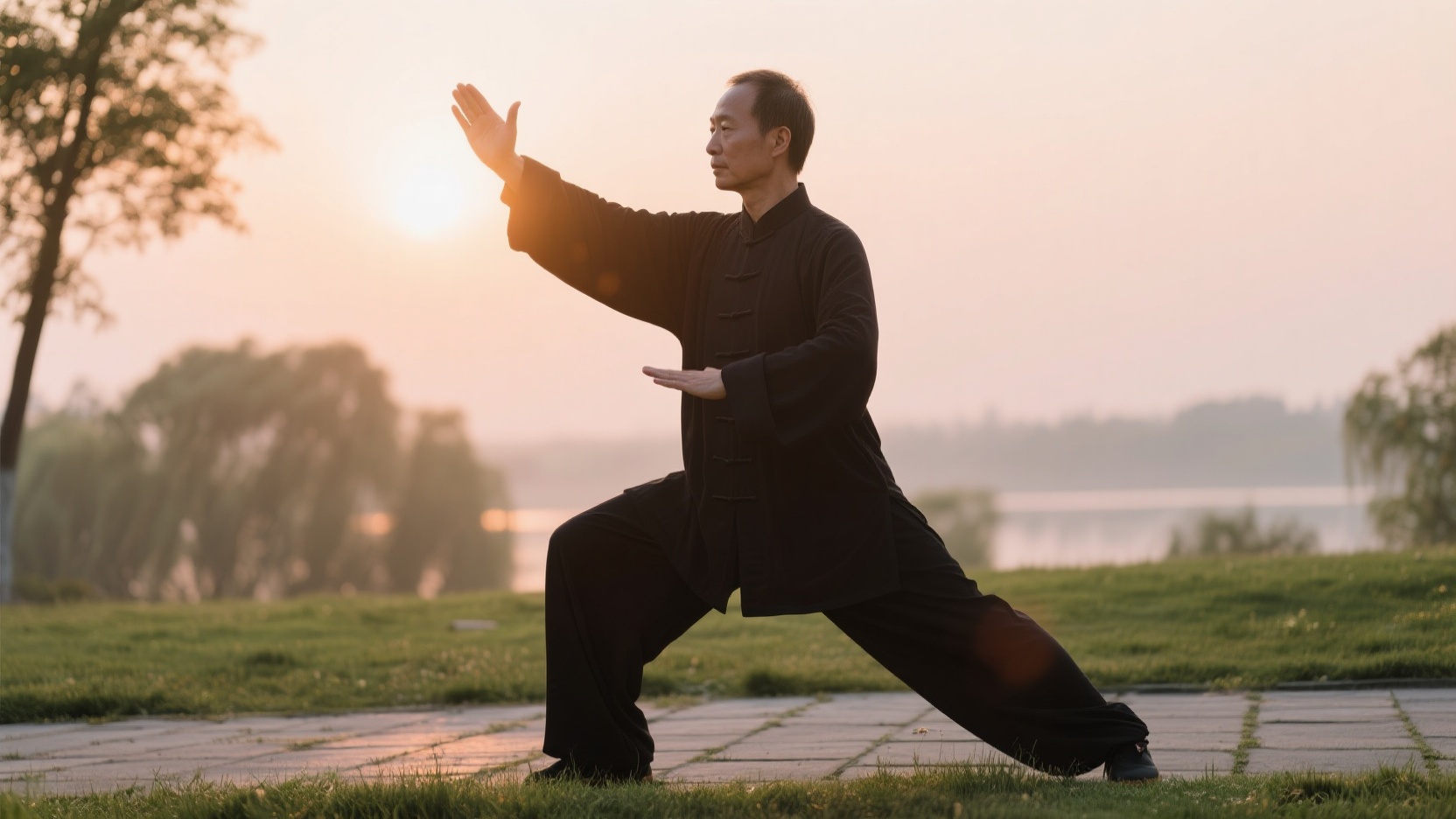
Ba Duan Jin is a classic qigong set consisting of eight simple movements. Each movement coordinates slow body motions, relaxed breathing, and focused intention. It is widely practiced in parks and community centers across China and around the world.
Its main features include:
- Gentle, flowing movements
- Easy to learn, even for beginners
- Emphasis on relaxation and circulation
- Low impact on joints
Yi Jin Jing (Muscle Tendon Changing Classic)
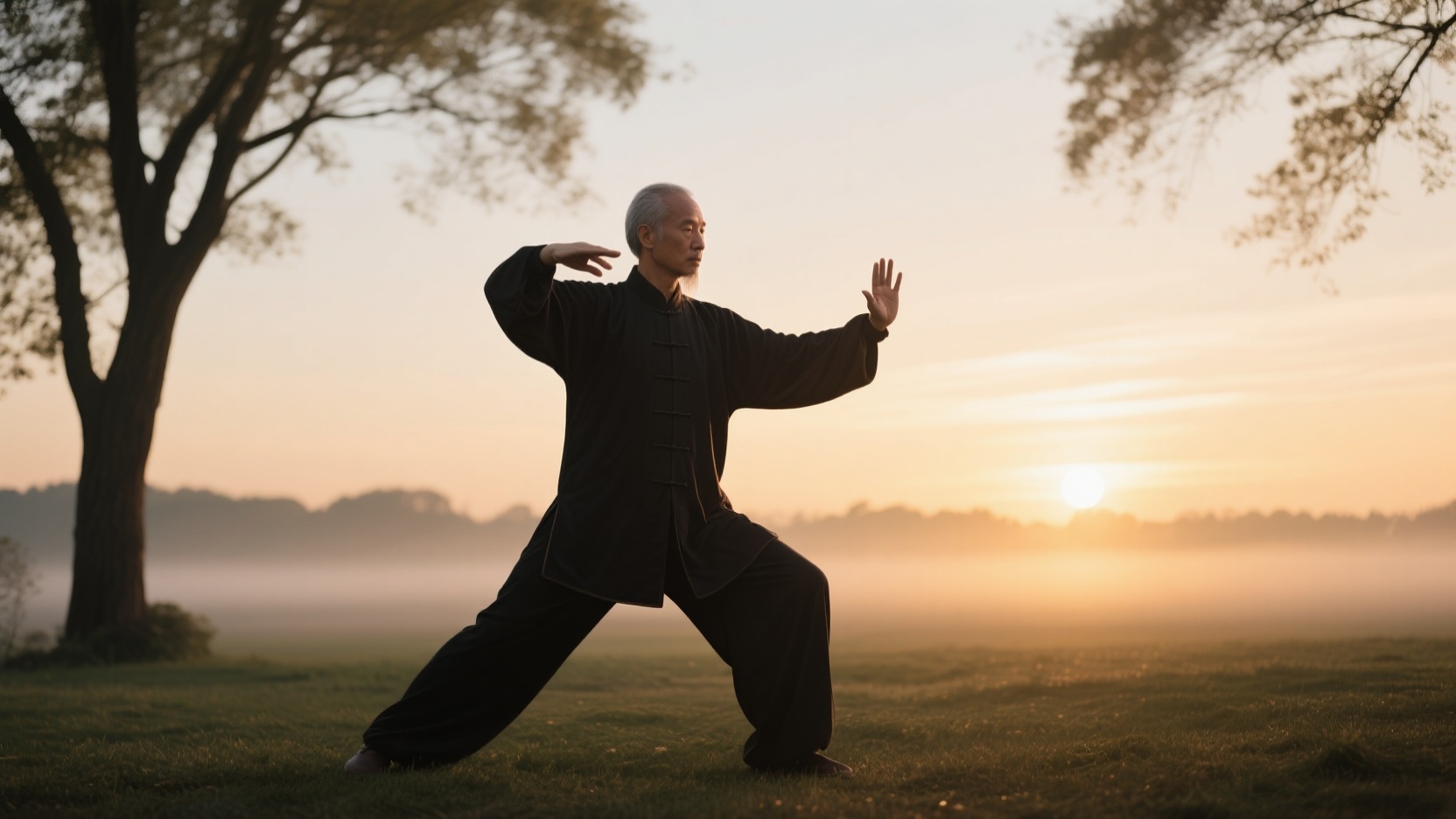
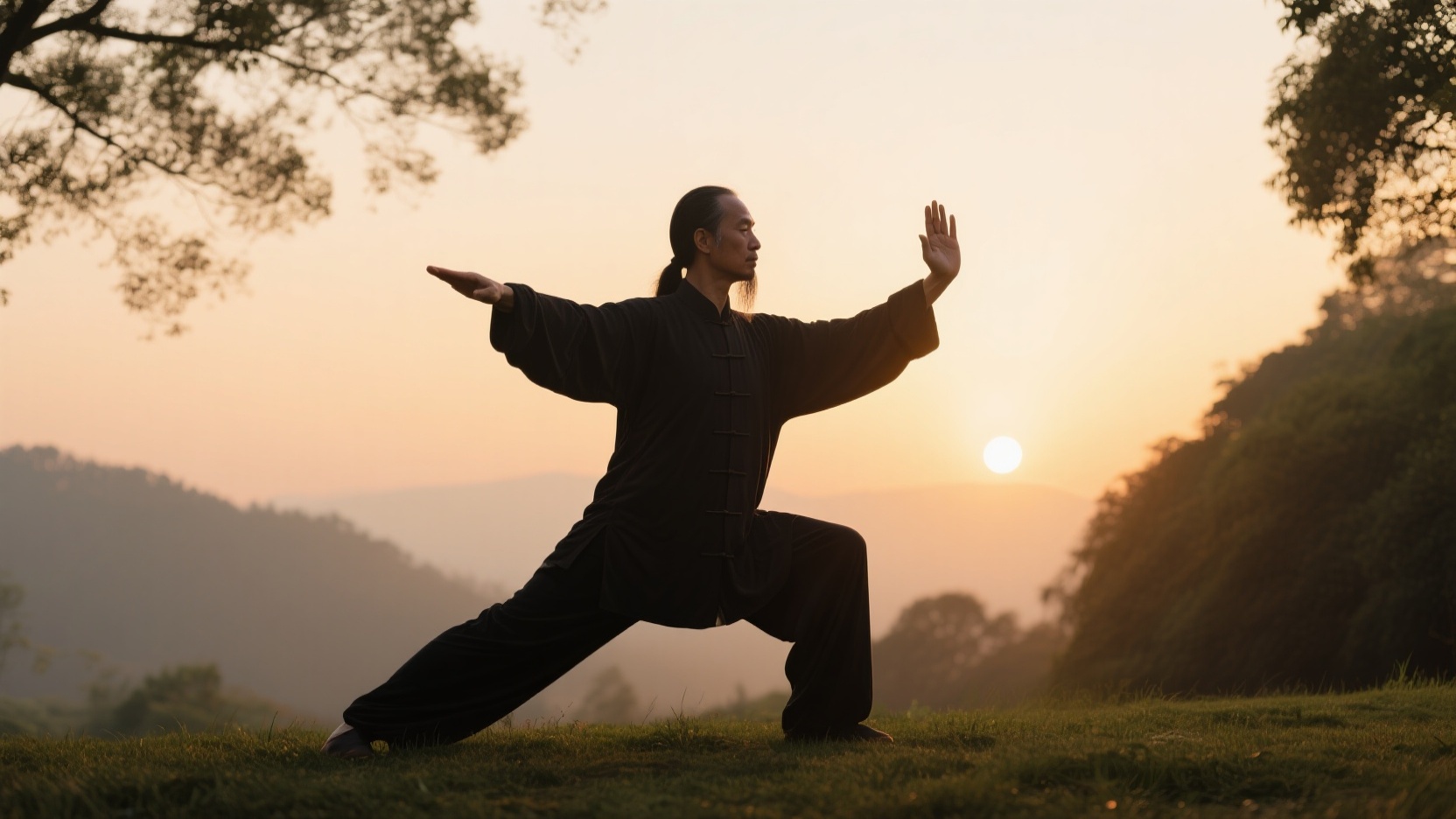
Yi Jin Jing is a more intense and physically demanding form of qigong. Traditionally associated with martial arts conditioning, it focuses on stretching and strengthening the muscles and tendons, often using deep stances and strong, extended postures.
Its main features include:
- Deep stretching of tendons and fascia
- Greater strength and postural demands
- More complex coordination and breath control
- Moderate to high physical intensity compared with Ba Duan Jin
Key needs of elderly practitioners
For seniors, an ideal exercise system should meet several important criteria:
- Safety: low risk of falls, joint strain, or overexertion
- Accessibility: movements that can be adapted for limited mobility or chronic conditions
- Sustained benefit: support for balance, circulation, flexibility, and mood over the long term
- Ease of learning: simple, repeatable sequences that do not require high coordination or athletic background
Benefits of Ba Duan Jin for older adults
Ba Duan Jin is often recommended as one of the most senior-friendly qigong routines. Research and clinical practice observations suggest the following benefits for elderly practitioners:
- Improved balance and fall prevention: Slow weight shifting and gentle stance work help train stability and body awareness.
- Better joint mobility: The circular, moderate-range movements lubricate joints without forcing extreme ranges of motion.
- Enhanced circulation and respiration: Coordinated breathing and arm movements support cardiovascular and respiratory function.
- Reduced stress and better sleep: The meditative, rhythmical nature of practice helps calm the nervous system.
- Easy modifications: Many movements can be performed in a smaller range, or even seated, for those with limited stamina.
Challenges of Yi Jin Jing for seniors
Yi Jin Jing can also offer significant benefits, particularly for strength, posture, and connective tissue health. However, for elderly practitioners, it presents several challenges:
- Higher physical demand: Deep stances, strong extensions, and intense stretching may be difficult for those with weak legs, osteoarthritis, or spinal issues.
- Greater risk of over-stretching: Older tendons and ligaments are less elastic; forcing long or fast stretches can increase injury risk.
- More complex technique: Proper alignment, breath coordination, and tension–relaxation control usually require careful instruction and closer supervision.
- Slower learning curve: Seniors new to exercise may feel overwhelmed by the precision and demands of Yi Jin Jing.
Which is better overall for elderly practitioners?
For most older adults, especially beginners or those with chronic conditions, Ba Duan Jin is generally the safer and more suitable starting point. It offers clear health benefits with minimal risk, while building the foundation needed for any more demanding practice later.
Yi Jin Jing can be beneficial for some seniors, particularly those who:
- Already have a base level of strength and flexibility
- Are under the guidance of an experienced teacher
- Do not have serious joint degeneration, heart problems, or balance disorders
- Enjoy a stronger, more physically challenging practice
How to choose between Ba Duan Jin and Yi Jin Jing
Elderly practitioners can use the following guidelines when deciding which form to focus on:
- Assess your current condition: If you experience pain when standing, walking, or climbing stairs, begin with gentle Ba Duan Jin only.
- Start low and go slow: Practice shorter, more frequent sessions rather than long, intense ones.
- Prioritize balance and comfort: If any movement causes dizziness, sharp pain, or breathlessness, reduce the range or stop.
- Seek qualified instruction: Particularly for Yi Jin Jing, proper demonstration and correction greatly reduce injury risk.
- Consider a progression: Many seniors start with Ba Duan Jin, then gradually add selected, simplified Yi Jin Jing elements if appropriate.
Sample practice plan for seniors
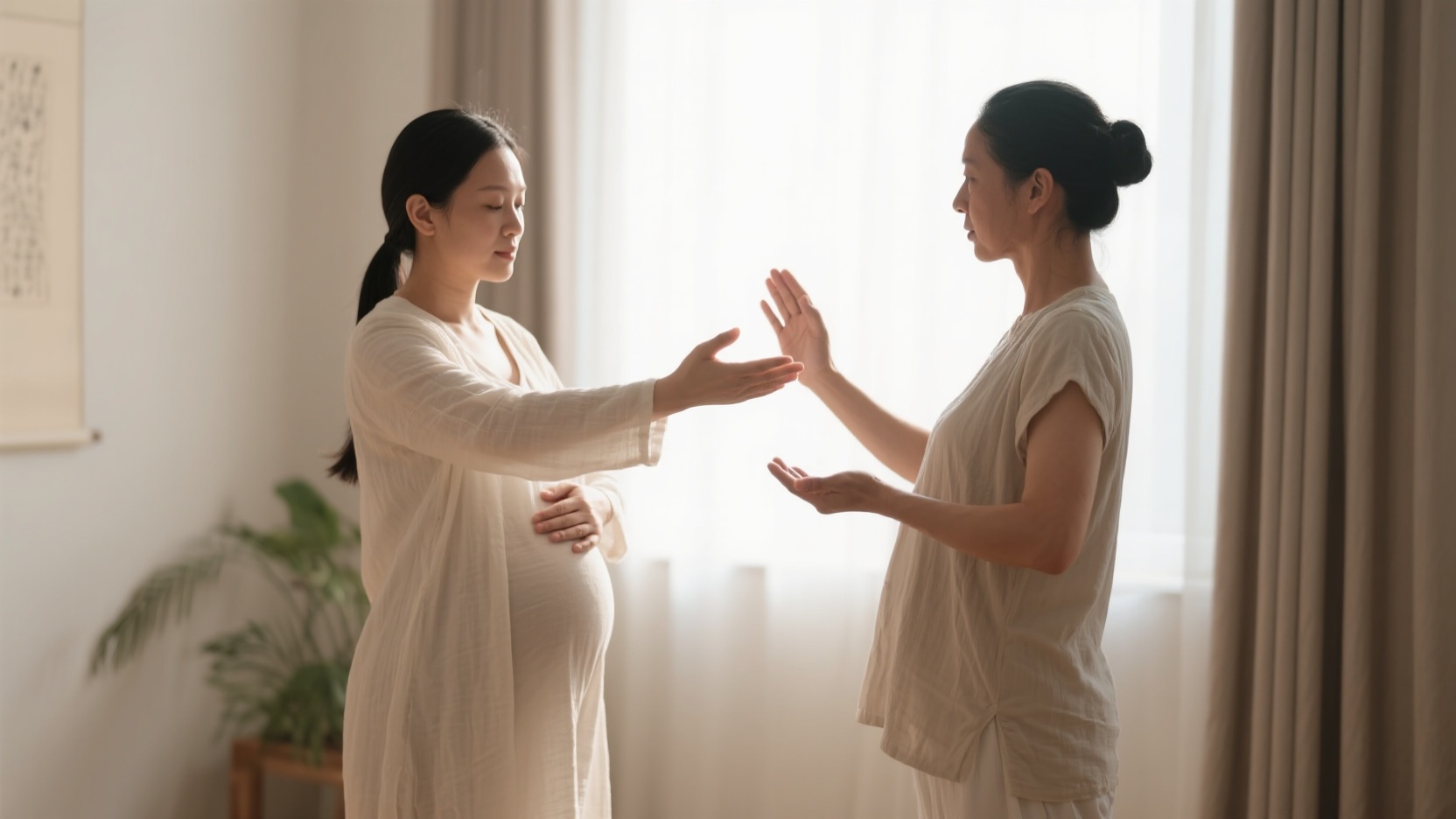
The following is a general example and should be adapted to individual health status and medical advice:
- Weeks 1–4: Practice Ba Duan Jin 10–15 minutes per day, focusing on relaxed breathing and smooth movement.
- Weeks 5–8: Extend Ba Duan Jin sessions to 20 minutes; add gentle walking for 10 minutes on most days.
- After 2–3 months: If you feel stable and strong, consider learning very basic Yi Jin Jing under a teacher’s guidance, 1–2 times per week, while keeping Ba Duan Jin as your main routine.
Important safety tips for elderly qigong practitioners
- Warm up slowly with small joint rotations before any practice.
- Avoid practicing immediately after a large meal.
- Keep breathing natural; never hold your breath or strain.
- Stop immediately if you feel chest pain, severe shortness of breath, or sudden dizziness, and seek medical advice.
- Consult your doctor before starting if you have heart disease, severe osteoporosis, or recent surgery.
Conclusion: A practical recommendation
For elderly practitioners, Ba Duan Jin is usually the better primary choice. It is gentler, easier to learn, and highly adaptable, while still supporting strength, balance, and inner calm. Yi Jin Jing can be introduced cautiously and selectively for healthier, more experienced seniors who enjoy a stronger practice and have proper guidance.
If you are an older adult considering these two qigong methods, begin with Ba Duan Jin, listen closely to your body, and consult professionals when in doubt. With patience and consistent practice, you can build a safe and sustainable path to healthier aging.